When you see a top player solve a Rubik's Cube in under 5 seconds, you're witnessing not just hand speed, but also a masterful combination of algorithmic logic and muscle memory. Rubiks race (speedcubing) has evolved from a solitary hobby into a global competitive sport.
Whether you're a beginner just learning to solve a cube or an advanced player aiming for your first WCA-certified event, this guide will help you experience the allure of Rubik's Cube game.
What's Rubik's Race and Who Organizes It
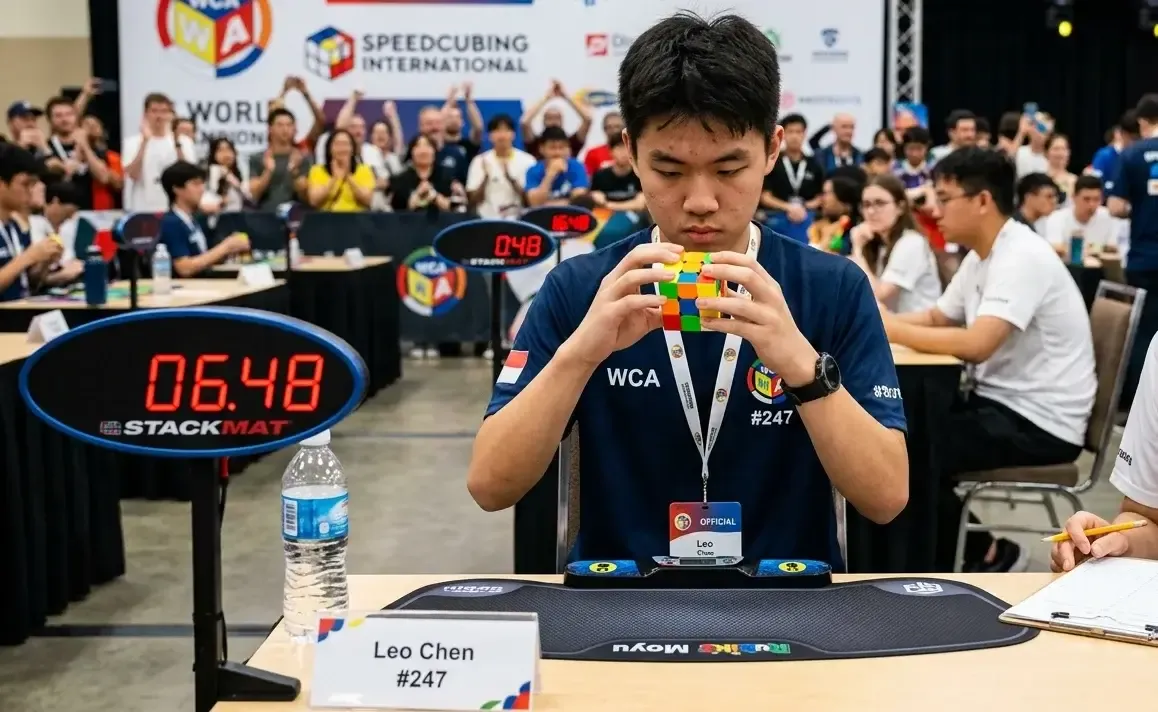
In competition terms, a Rubik's race game is a direct speed contest where competitors solve cubes with the same scramble. Because of this format, people often use phrases like Rubik's Cube race game when describing side-by-side solving competitions. Some people searching for the original Rubik's Race game are actually referring to the sliding-tile puzzle board produced by Rubik's, which is different from the speedcubing race format discussed here.
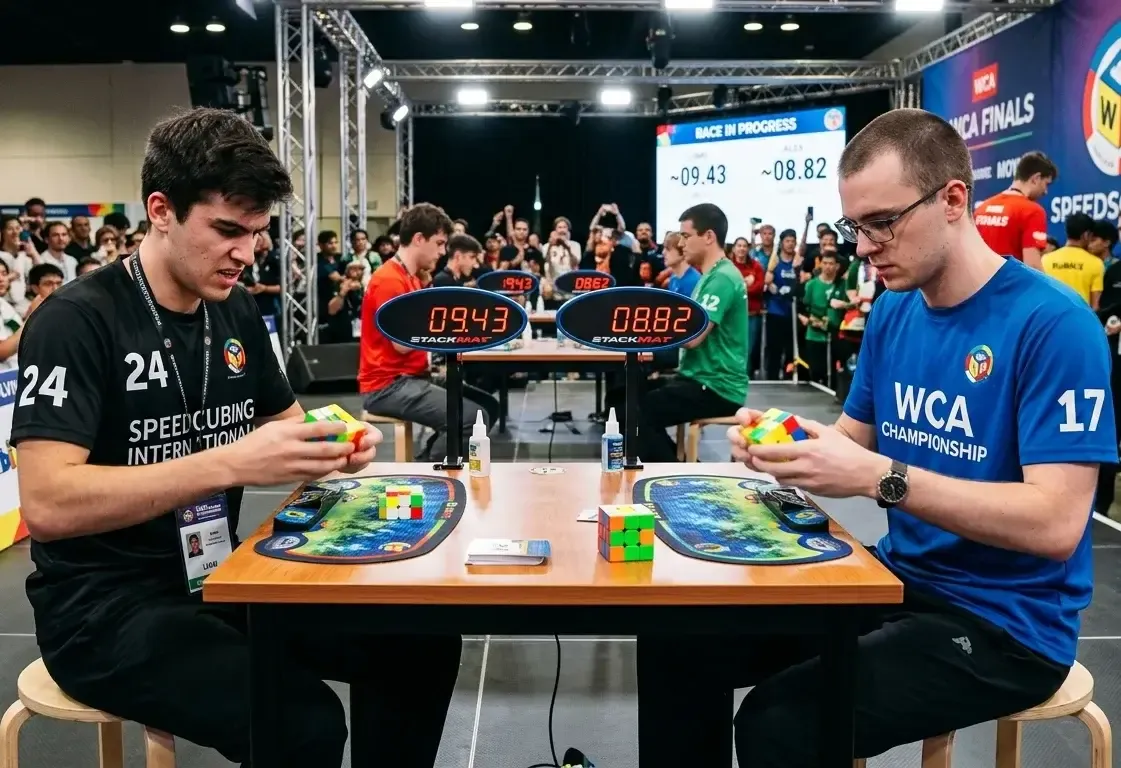
The World Cube Association (WCA) is the main governing body for official competitions. It sanctions events worldwide and establishes the official regulations that apply to all WCA-approved competitions, making them the definitive rulebook for participants.
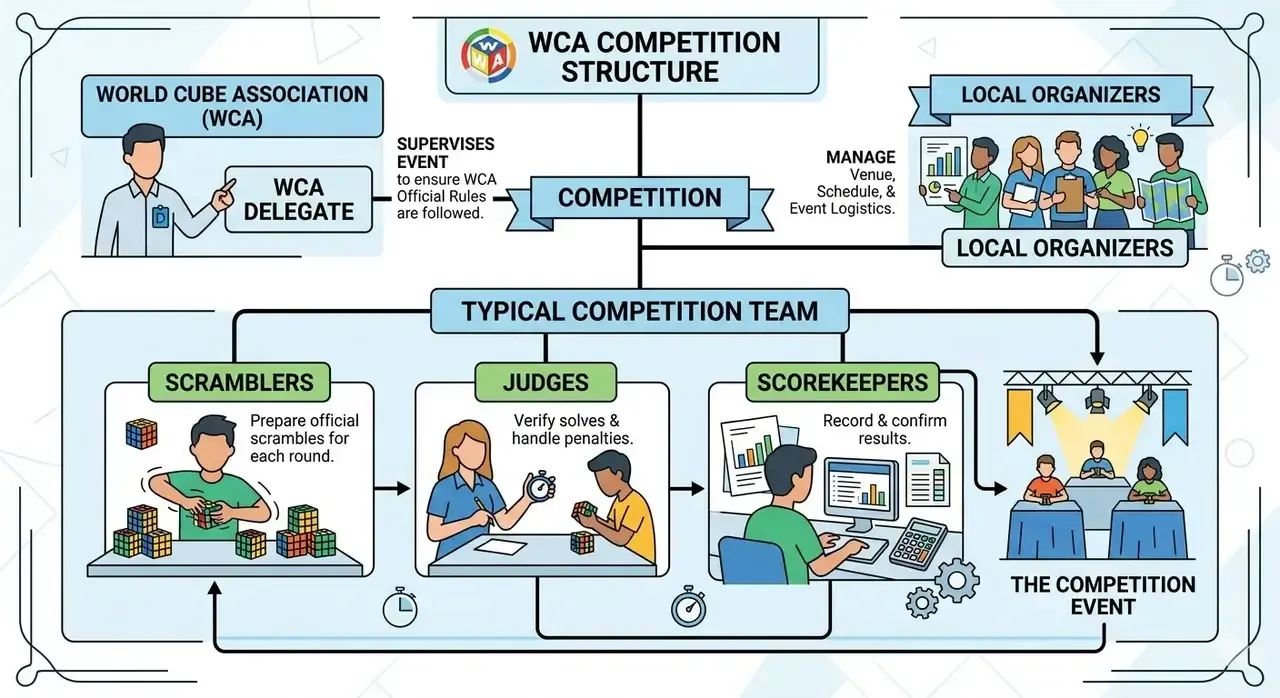
However, the WCA does not organize competitions directly on a daily basis. Instead, competitions are run by local organizers, while a WCA Delegate supervises the event to ensure that the official rules are followed. A typical competition team usually includes:
Local organizers: manage venue, schedule, and event logistics
WCA Delegates: ensure the competition follows WCA regulations
Judges: verify solves and handle penalties if necessary
Scramblers: prepare official scrambles for each round
Scorekeepers: record and confirm results
Rubik's Race Instructions: Key Competition Rules
The easiest way to avoid penalties in a Rubik's Cube race is to understand a few high-impact competition rules before your first event. You do not need to memorize the entire WCA rulebook, but you should know the core rules that affect how solves are judged and how competitions are run.
Officials and Competition Roles
According to WCA Regulations Article 1, every official competition must include a WCA Delegate and an organizing team. Clear roles are essential because race fairness depends on consistent scramble distribution, accurate judging, and reliable result recording. Typical competition staff include:
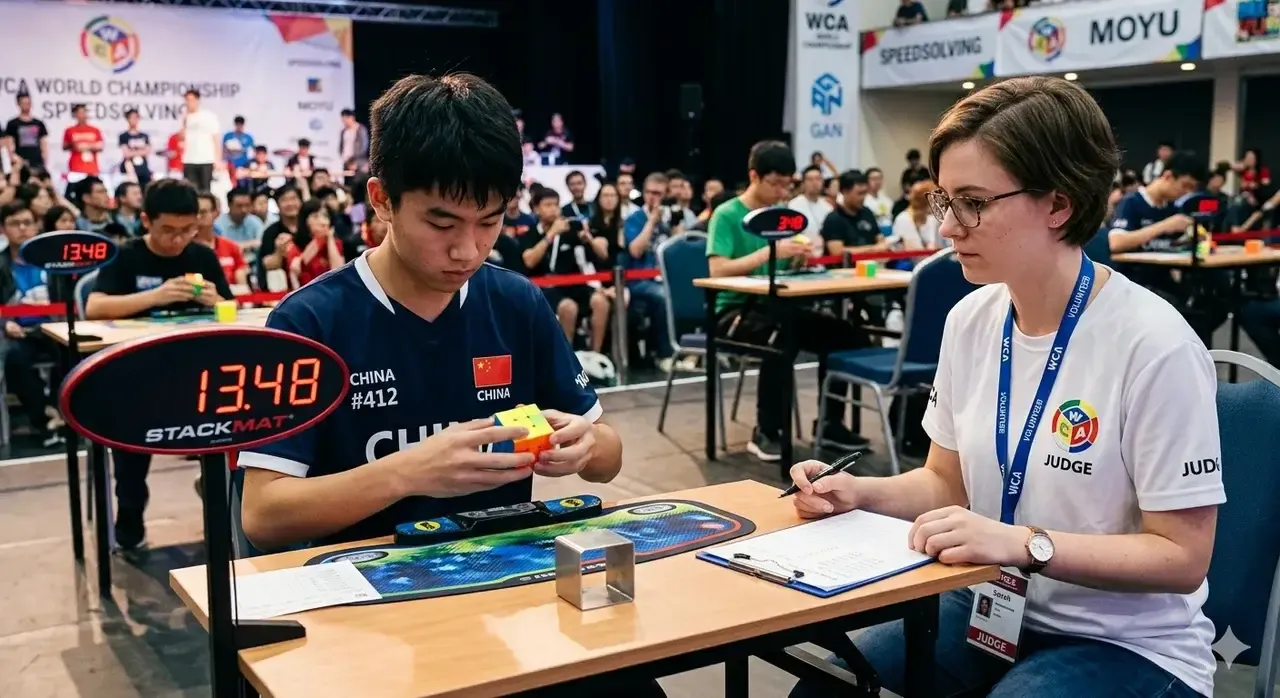
Judges: verify solves and apply penalties if needed
Scramblers: prepare official scrambles for each round
Scorekeepers: record and confirm results
Announcers: (for head-to-head formats) manage race flow and communicate results
Solved State and Judge Verification
In competition, a solve is not valid just because the cube looks solved. It must meet the official solved-state standard and be confirmed by a judge. When a situation is unclear, judges and WCA Delegates follow official procedures to decide the result rather than relying on audience opinion. For example:
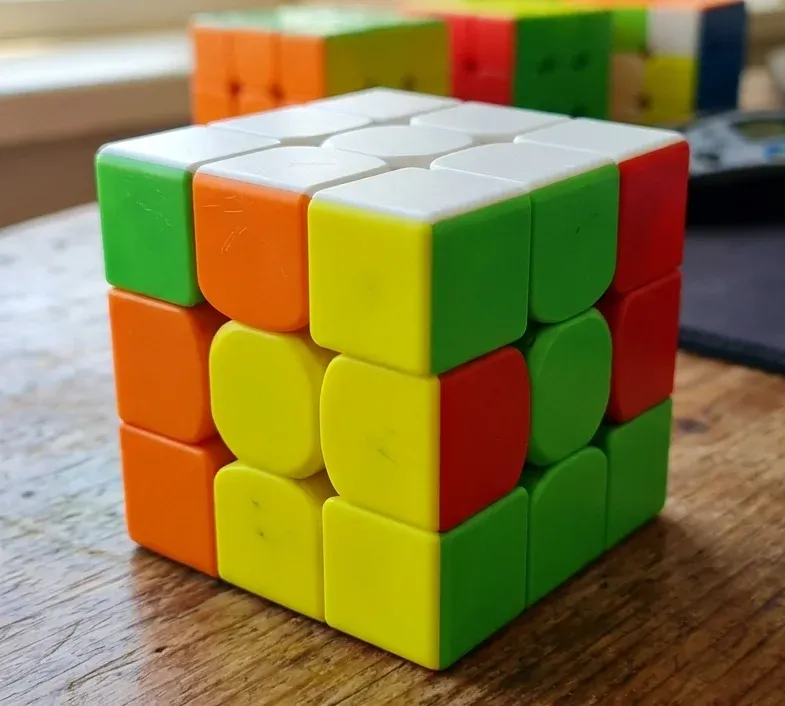
A cube with one layer misaligned may receive a +2 penalty.
If the cube is clearly not solved, the attempt may be marked DNF (Did Not Finish).
Competitor Responsibilities
Competitors also have responsibilities during a race. Ignoring these rules can lead to penalties or disqualification, even if the solution itself is fast. Common requirements include:
Registering for events before the deadline
Arriving at the solving station when called
Following inspection time limits and judge instructions
Respecting venue safety rules and competition procedures
Competition Announcements and Event Setup
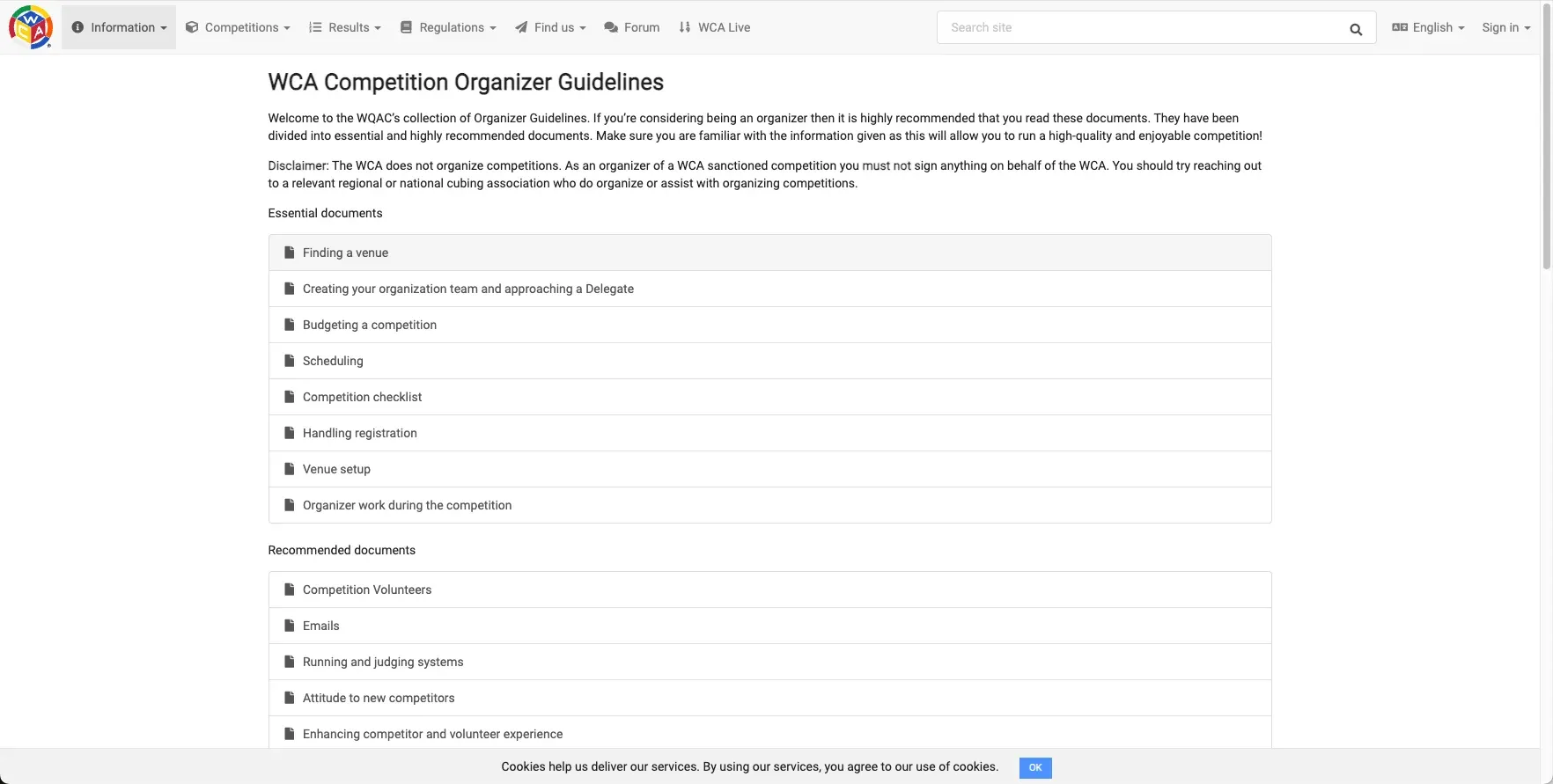
Official WCA competitions also follow guidelines for scheduling and communication. Organizers work closely with WCA Delegates to ensure the event meets all requirements before it is approved. A typical competition event page includes:
Registration deadlines
Event schedules
Venue rules
Competitor limits
Race Strategy Within Official Rules
A good Rubik's Cube race strategy is not about turning as fast as possible. It is about stable, controlled solving that still works under competition pressure and official judging rules. The goal is to finish quickly without mistakes, penalties, or messy cube alignment.
1. Consistency-First Strategy
Best for cubers who occasionally get very fast solves but often make mistakes or crash on later attempts. Focus on building a repeatable solving rhythm rather than pushing maximum speed. How to practice:
Use a fixed pre-solve routine during inspection. Plan your cross or first pair and take a short breathing reset before starting.
Keep the first few turns controlled and smooth to avoid lockups and recovery moves.
Finish solves with clean cube alignment so the judge can immediately confirm the result.
Not ideal for experienced racers who already have stable solves and want to push higher turning speed.
2. Last-Layer Recognition Strategy
Best for solvers who lose time during OLL or PLL recognition and pause before the final algorithms. In races, even a one-second pause at the last layer can cost the round. How to practice:
Train last-layer recognition from different cube angles so you can identify cases faster. Many advanced cubers memorize common Rubik's race patterns, especially last-layer cases like OLL and PLL, to reduce pauses during competitive solves.
Stick to one reliable algorithm set first before learning multiple alternatives.
Always perform a quick final cube alignment, so the solve is clearly valid.
Not ideal for beginners who are still struggling with F2L or basic solving structure.
3. Pressure Simulation Strategy
Best for cubers who solve well in practice but slow down during real races. The main issue is usually pressure and timing awareness, not solving skills. How to practice:
Run short practice races against another solver or a timer target. Some cubers also practice through Rubik's race online platforms or Rubik's race game online simulations, which allow players to compete against others remotely and practice under race-style pressure.
Track only two things after each solve: number of major pauses and whether the finish was clean and valid
Adjust one solving habit at a time, then test it across at least 20 solves.
Not ideal for very new cubers who still need to stabilize their basic solving method.
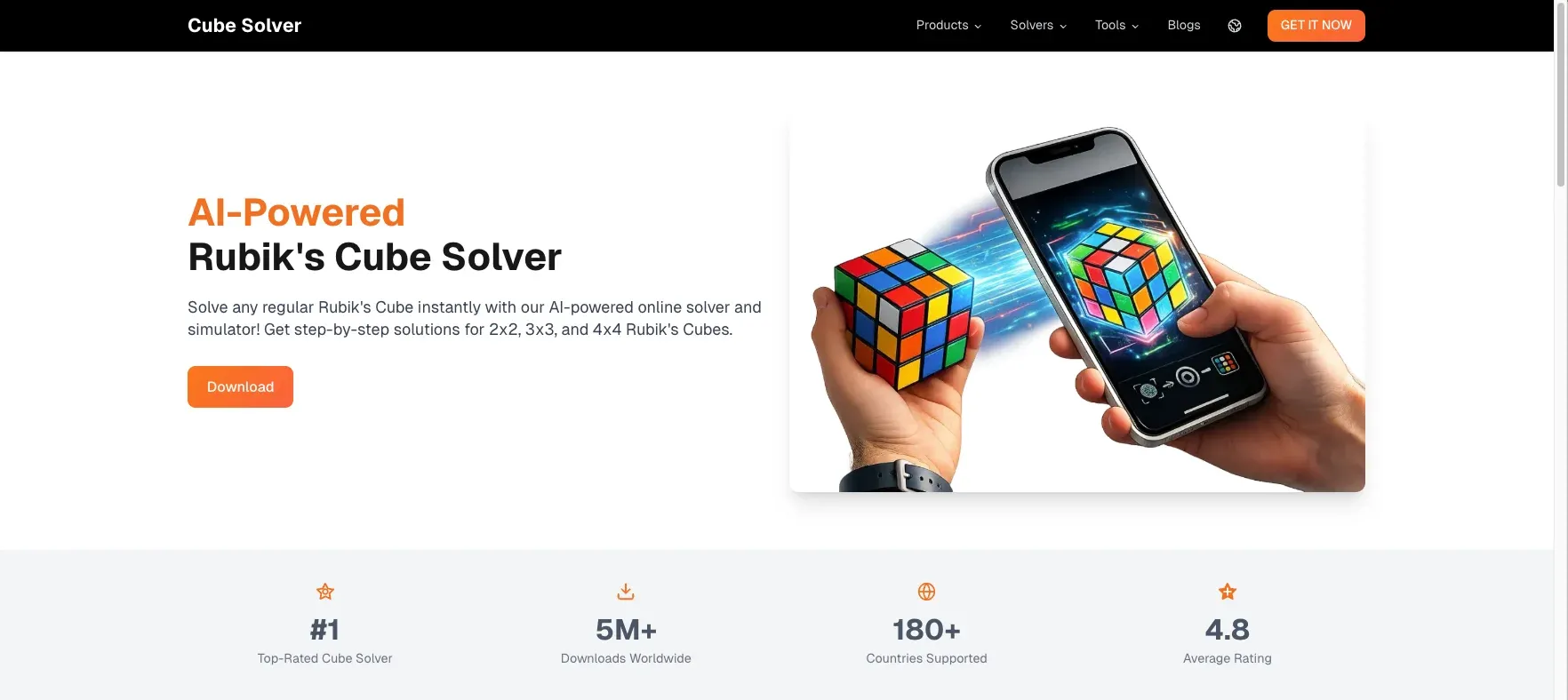
Bonus: If you want extra practice between competitions, using a cube analysis or solving tool can also help. For example, Cube Solver is an online Rubik's Cube solving tool that can generate solutions for scrambled cubes and visualize the solving steps.
Many beginners use it to understand algorithms, while intermediate cubers use it to review difficult scrambles and improve their solving logic before practicing full-speed solves.
Where to Find Official Competition Details (WCA First)
If you need trustworthy competition details, start at WCA pages before social posts or chat screenshots. That one habit prevents most misinformation.
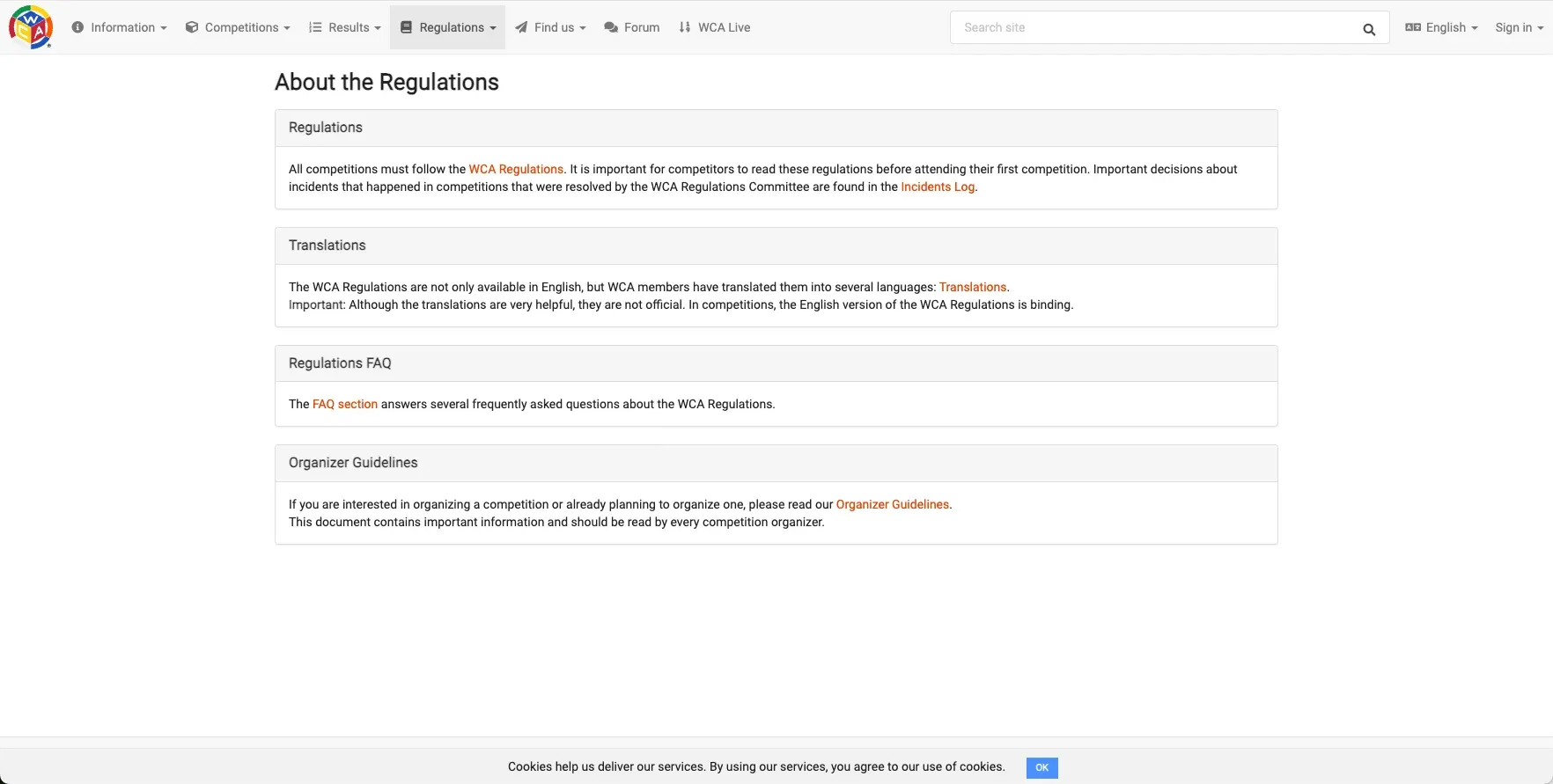
First, use the WCA Regulations page for the current official ruleset and version date. As of this workflow, the listed regulations version is January 1, 2026, and this should be treated as your baseline reference.
Second, use the WCA Organizer Guidelines to understand who does what at competition level, including the explicit disclaimer that the WCA does not directly organize competitions. This is also where you see practical organizer expectations and Delegate coordination norms.
Third, check the Competition Requirements policy document for announcement and compliance expectations that affect how events are approved and run.
Finally, verify the specific competition page for your event. Organizer names, WCA Delegate assignment, venue notes, registration rules, and event lists are event-specific and can differ from one competition to another.
Wrapping Up
How to play Rubik's race? A Rubik's Cube race is not just about speed. It follows official rules and organized competition standards. Focus on clean solves, stable performance, and correct procedures. If your results vary, fix pauses and invalid finishes before trying to turn faster. For exact rules or event details, always check the official WCA resources.
Rubiks Race FAQ
How do you play Rubik's race?
Rubik's Race can refer to two different games: the official board game or a Rubik's Cube speed race. Here are the basic ways to play both.
Both versions are about speed and accuracy, but the board game focuses on sliding tiles while the speedcubing race focuses on solving a real Rubik's Cube.
What percentage of people can do a Rubik's cube?
Estimates vary, but studies and surveys suggest that about 5–10% of people worldwide know how to solve a Rubik's Cube at least once using a method or tutorial.
When did Rubik's race come out?
Rubik's Cube racing (speedcubing competitions), it did not "come out" as a product. It developed as a competitive activity over time. Key milestones:
1982: The first Rubik's Cube World Championship was held in Budapest, Hungary, marking the beginning of organized cube competitions.
2003: The World Cube Association (WCA) was founded and began organizing standardized competitions worldwide.
Today: WCA competitions are held globally each year, making speedcubing a well-established competitive sport.
So, modern Rubik's Cube racing competitions are generally considered to have started with the WCA in 2003, although the first official world championship took place in 1982.
What is Rubik's race board game?
Rubik's Race is a fast-paced board puzzle game based on the colors of the Rubik's Cube. It was released by Winning Moves Games in 2010 under license from Rubik's Brand Ltd. How the game works:
Players shake a small scrambler cube that creates a random 3×3 color pattern.
Each player slides colored tiles on their board to match that pattern.
The first player to recreate the exact pattern in the center grid wins the round.
How do you set up Rubik's race?
For official competition handling, do not rely on informal setup recipes. Follow the published event information, organizer announcements, and WCA regulatory framework for that specific competition.