
No headings found
In 1974, Hungarian professor Ernő Rubik created a seemingly simple cube to help teach his students about three-dimensional geometry. That modest invention went on to become one of the most iconic puzzles in history. Now, in 2025, we're looking back at the Rubik's Cube 50th anniversary, which was officially celebrated throughout 2024.
Why the Rubik's Cube Still Matters
Half a century later, the Rubik's Cube is still going strong. Its enduring relevance lies in its unique blend of challenge and accessibility. Children use it to build spatial awareness and logic skills, while adults rediscover it as a brain teaser or stress reliever. Teachers use it in STEM education, artists use it in pixel-style mosaics, and software developers use it as a metaphor for problem-solving.
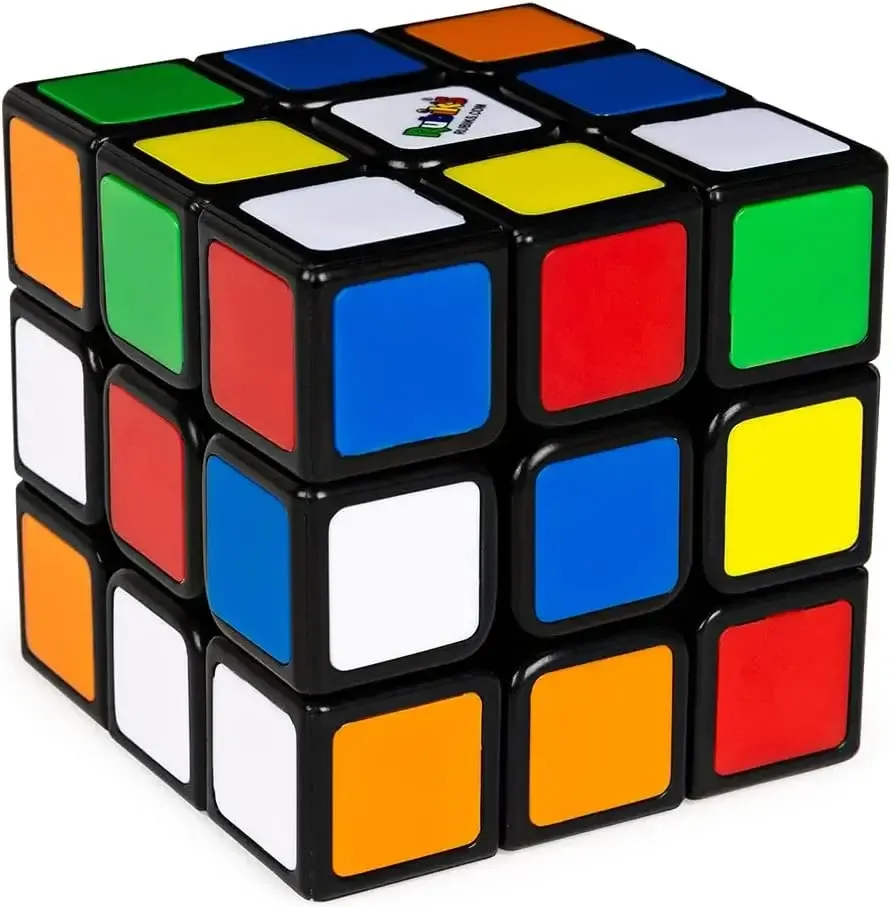
More than a puzzle, the cube has become a cultural artifact. It has appeared in films like The Pursuit of Happyness, been featured in music videos and fashion campaigns, and even taken a ride to the International Space Station. The Rubik's Cube is no longer just a toy—it's a universal language of logic and creativity.
A Journey Through Time: From Invention to Icon
The Rubik's Cube origin story is almost as fascinating as solving it. Originally called the "Magic Cube", it was patented in Hungary in 1975 and introduced to the world market in 1977. After being licensed to the Ideal Toy Corporation, it was rebranded as the Rubik's Cube and exploded in popularity in the 1980s, selling over 100 million units in just a few years.
What followed was a global obsession. The cube became more than a toy—it became a symbol of intelligence and problem-solving. Over time, the cube's popularity dipped, only to be revived in the early 2000s by online communities, YouTube tutorials, and the rise of speedcubing, where elite solvers now complete the cube in under 4 seconds.
Transition: Reflecting on 50 Years and Turning Toward the Future
Now that the official 50th anniversary Rubik's Cube has wrapped up in 2024, 2025 gives us the perfect chance to reflect on both the past and future of the Rubik's Cube. We can appreciate its incredible journey while looking ahead to what comes next.
The cube's ongoing popularity comes from smart evolution, including updated designs, connections with smart technology, and educational programs now used in classrooms and community centers worldwide. The Rubik's Cube has shown it can adapt while staying true to its original spirit. Much like solving the puzzle itself, every generation interacts with it differently.
After fifty years of colorful challenges and creativity, what did the 50th anniversary achieve, and what exciting new developments are emerging in 2025 and beyond? While the classic 3x3 cube will always be the heart of the brand, new technologies are expanding its reach. Smart cubes like GoCube and Rubik's Connected are now more advanced than ever, integrating Bluetooth, mobile apps, and real-time coaching powered by AI.
In 2025, Rubik's Cube is being used in educational platforms that teach not just solving techniques, but coding principles, machine learning basics, and logical sequencing. These tools are making the cube more than a puzzle—they're making it a gateway to understanding how digital systems work.
We're also seeing Rubik's inspired challenges in online games, mobile puzzles, and even corporate training. The cube has become both a metaphor and a medium for building mental agility in diverse fields.
How the World Celebrated the 50th Anniversary in 2024
Although the official 50th anniversary of the Rubik's Cube took place in 2024, its impact continues to resonate well into 2025. The celebration was far-reaching, with meaningful activities and events held at local, national, and international levels. Here's a closer look at how different communities and organizations marked the occasion:
Rubik's 50th Anniversary Cube Releases
Special commemorative Rubik's Cubes were launched in markets around the world, including gold-accented models, augmented reality-enabled versions, and exclusive collector's editions. These unique designs quickly gained popularity in both local toy stores and online platforms, drawing in long-time fans and new collectors alike.
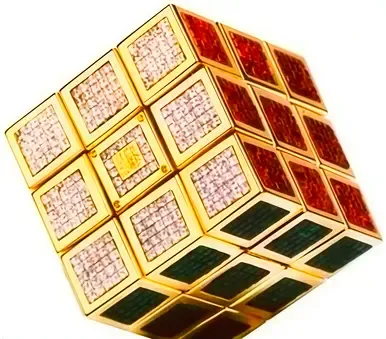
Tips: If you've picked up one of the limited-edition cubes, you can make the most of it by using the Cube Solver AI tool to practice solving techniques. Simply scan the cube's current color pattern using your phone's camera, or enter the colors manually if needed. The tool will then generate a step-by-step solution tailored to your specific cube, making it easy to learn and improve your skills.
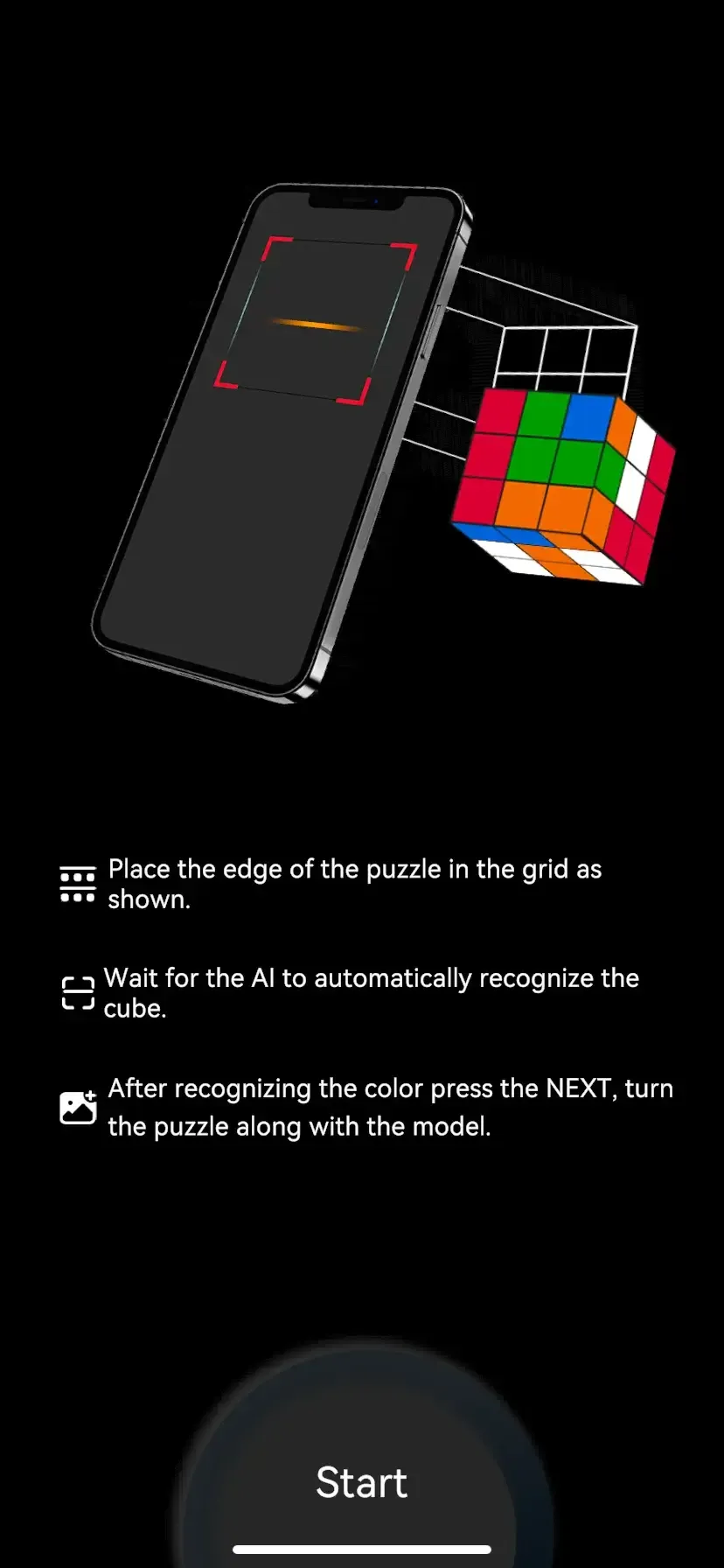

CubeSolver AI


Could your town's next science fair feature AI-powered cubes that adapt to their difficulty? Might local after-school programs use cube-solving to teach coding concepts? The possibilities are growing as fast as technology.
What hasn't changed is the cube's core appeal. Whether it's a child learning on a classic 3x3 at the kitchen table or a teen practicing algorithms on a Bluetooth-connected speed cube, that same spark of discovery continues. The cube remains what it's always been—a tool for learning, patience and creative thinking—just with more ways to engage than ever before.
The next 50 years won't just happen in labs and tech companies. They'll play out in our schools, community centers, and homes, keeping the cube's legacy alive right where we live.
Closing Words
The Rubik's Cube has endured not because it's easy, but because it challenges us in the best way. In 2025, after 50 years, it remains a symbol of curiosity, patience, and problem-solving. Whether you're solving one side or competing in a speedcubing event, the cube reminds us that with focus and determination, even the toughest problems can be solved.
Rubik's Cube 50th Anniversary FAQ
Q: When was Rubik's Cube 50th anniversary?
The Rubik's Cube celebrated its 50th anniversary in 2024. The puzzle was invented by Hungarian architect and professor Ernő Rubik in 1974 and initially called the "Magic Cube". It was later rebranded as the Rubik's Cube when it was released internationally in 1977.
Q: What is the rarest Rubiks cube in the world?
The rarest Rubik's Cube in the world is the Millennium Cube, created in 2000 to celebrate the new millennium. It is made of 18-carat gold, silver, and platinum, with stickers crafted from precious gemstones like sapphires and diamonds. Only one was ever made, making it incredibly rare and valued at millions of dollars.

Kelsey Geller focuses on practical Rubik's Cube learning for beginners. Her guides simplify complex steps, explain the "why" behind moves, and help new cubers build confidence with a reliable solving approach. Every guide follows CubeSolver's editorial review standards before publishing.