

No headings found
Nesta postagem, exploraremos o que é o Dino Cube, como ele se compara a cubos mais conhecidos, como o Skewb ou o Pyraminx, e por que sua popularidade está crescendo, especialmente entre jovens alunos, colecionadores de quebra-cabeças e educadores. Quer você seja um pai em busca de um presente para estimular o cérebro ou um cubo que expanda sua coleção, você encontrará algo de valor aqui.
O que é um cubo Dino
O Dino Cube é um quebra-cabeça mecânico giratório, originalmente projetado em meados da década de 1980 pelo inventor britânico Robert Webb. Embora tenha o formato familiar de um cubo padrão, ele não se comporta como tal. Em vez de girar faces como o Cubo de Rubik, o Cubo de Dino Rubik gira em seus cantos, cada movimento deslocando três peças de borda em um movimento suave e triangular.
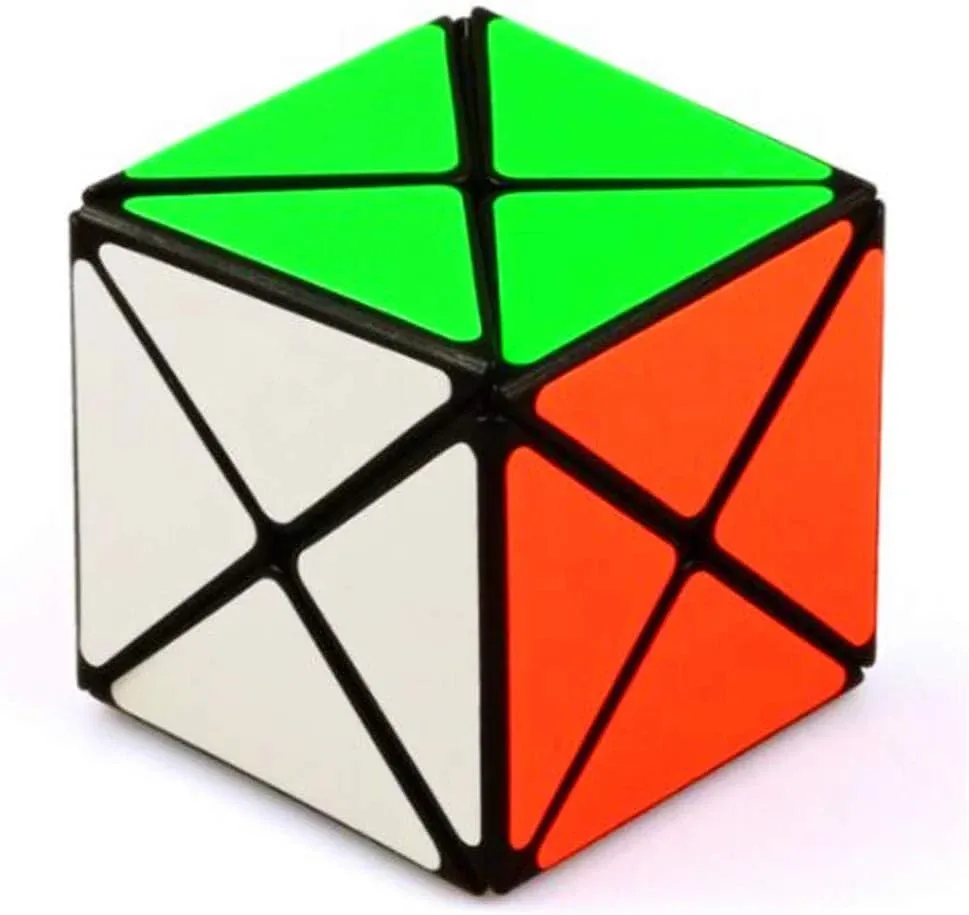
Com apenas 12 peças de borda móveis e sem adesivos nos centros ou cantos, seu design limpo e organizado o torna visualmente acessível, especialmente para iniciantes. Localmente, é frequentemente usado em salas de aula, programas STEM após as aulas e encontros de quebra-cabeças como um cubo inicial.
O objetivo é simples: combinar as cores de cada face girando cuidadosamente os cantos. Seu giro suave e estrutura lógica tornam-no um quebra-cabeça básico perfeito para crianças, famílias ou qualquer pessoa curiosa sobre quebra-cabeças sinuosos.Geralmente você pode encontrar o Dino Rubik's Cube em lojas locais de brinquedos educacionais, lojas de hobby e centros de aprendizagem comunitários. Quer seja apresentado num workshop de biblioteca ou vendido numa feira de criadores de fim-de-semana, o cubo serve muitas vezes como um trampolim para puzzles mais complexos, oferecendo uma experiência de aprendizagem prática aqui mesmo nos nossos próprios bairros.
Como é diferente de um cubo de Rubik
Embora o Cubo de Rubik e o Cubo Dino possam compartilhar a geometria física, sua mecânica interna e sua lógica de resolução divergem dramaticamente.
| Recurso | Cubo Dino | Cubo de Rubik (3x3) |
|---|---|---|
| Tipo de movimento | Torneamento de cantos (gira três arestas) | Virar a face (gira múltiplas camadas) |
| Número de peças móveis | Apenas 12 peças de borda | 8 cantos, 12 arestas, 6 centros |
| Nível de complexidade | Baixo a moderado | Moderado a avançado |
| Requisito de algoritmo | Não é necessário para a maioria | Geralmente necessário |
| Tempo de resolução | 1–5 minutos (com lógica básica) | Varia muito (dependendo do método) |
O Cubo de Rubik requer não apenas uma compreensão do movimento das peças, mas a memorização de sequências (algoritmos) para orientar e permutar corretamente o cubo. Muitos iniciantes acham isso intimidante. Por outro lado, o Dino Rubik's Cube oferece um processo mais lógico e intuitivo, muitas vezes solucionável sem memorização e simplesmente através do raciocínio espacial.
Como resolver um cubo Dino
O solucionador Dino Cube envolve reconhecer as posições das peças das bordas e girar estrategicamente os cantos para reposicioná-los sem interromper as seções já resolvidas. Aqui está uma análise simplificada:
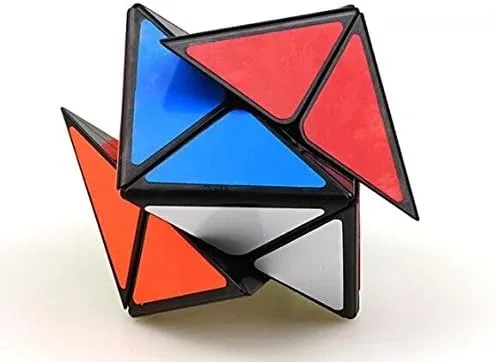
Etapa 1. Familiarize-se com o movimento
Pegue o cubo e gire qualquer canto. Você verá três peças de arestas se movendo em um pequeno triângulo. Ao contrário do Cubo de Rubik, não há curvas de face – apenas curvas de canto que afetam as bordas próximas. Este movimento básico é a chave para a resolução.
Etapa 2. Resolva uma cor (uma face)
Comece escolhendo uma cor e colocando suas quatro arestas correspondentes em torno de uma face. Como não há adesivos nos cantos, concentre-se apenas no alinhamento das bordas. Os educadores locais costumam usar adesivos com códigos de cores ou impressões para ajudar os iniciantes a identificar as peças durante esta etapa.### Etapa 3. Combinar arestas vizinhas
Vire os outros cantos com cuidado para colocar as bordas correspondentes restantes no lugar e tente não desfazer o que você já resolveu. Este estágio recompensa movimentos lentos e deliberados e uma estratégia visual clara.
Etapa 4. Finalize com as últimas bordas
A etapa final pode envolver um ciclo simples de três peças, onde três peças de borda precisam girar nos pontos corretos. Esta parte pode exigir alguns movimentos repetidos. Em encontros locais de quebra-cabeças, os instrutores geralmente demonstram uma técnica básica de “3 ciclos” ao vivo ou na tela para orientar os iniciantes nesta etapa.
Dica local: Muitas sessões de quebra-cabeças da comunidade recomendam o uso de um Cubo Espelhado ou diagramas coloridos para ajudar a visualizar os movimentos. Você não precisa memorizar algoritmos, apenas observe como cada torção de canto afeta as bordas e repita sequências úteis até que tudo se encaixe no lugar.
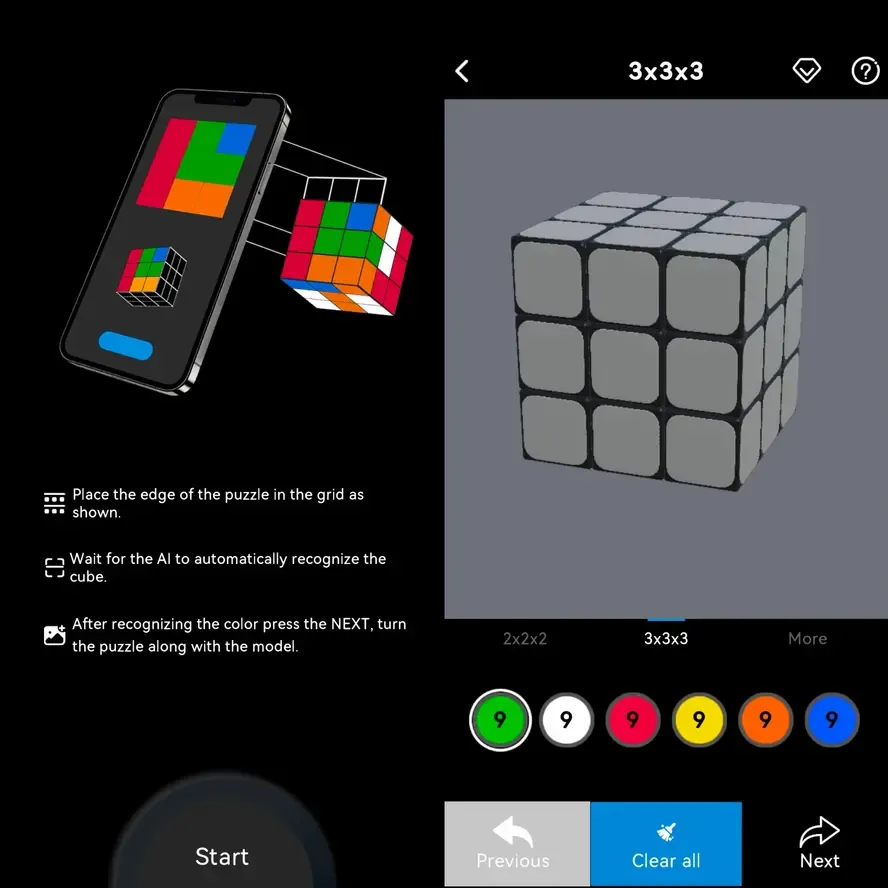

CubeSolver AI


Onde comprar um cubo de Dino Rubik
À medida que o Dino Cube ganha popularidade em salas de aula, grupos de hobby e programas STEM, fica mais fácil encontrá-lo online e aqui mesmo nas lojas locais. Veja onde procurar:
Lojas on-line
- [Amazon](https://www.amazon.com/?tag=amazusnavi-20&hvadid=675149237887&hvpos=&hvnetw=g&hvrand=4757803314694388517&hvpone=&hvpt wo=&hvqmt=e&hvdev=c&hvdvcmdl=&hvlocint=&hvlocphy=9004031&hvtargid=kwd-10573980&ref=pd_sl_7j18redljs_e&hydadcr=28883_14649097): Oferece uma ampla variedade de modelos iniciantes a premium, geralmente com entrega rápida.
- SpeedCubeShop: Conhecido por quebra-cabeças de alta qualidade para competição.
- TheCubicle / Cubezz: Confiado por colecionadores de quebra-cabeças por sua qualidade e variedade.
Varejistas locais e recursos comunitários
- Lojas de brinquedos educativos: Muitas carregam cubos iniciais junto com outros jogos de lógica.- Centros de aprendizagem STEM: às vezes incluem os cubos de Dino Rubik em kits de aprendizagem práticos.
- Lojas de hobby independentes: Ótimas para encontrar versões exclusivas e obter recomendações de outros entusiastas.
- Library Makerspaces: Algumas bibliotecas comunitárias agora emprestam quebra-cabeças para uso educacional.
O que procurar
Escolha um cubo com cantos suaves, cores vivas sem adesivos e uma construção durável. Evite versões excessivamente estilizadas ou inovadoras que podem parecer divertidas, mas podem dificultar o aprendizado para iniciantes.
Veredicto Final
O Dino Cube é um quebra-cabeça simples e acessível que se adapta bem a ambientes de aprendizagem locais. Seu design simples facilita o manuseio e a compreensão, proporcionando uma experiência prática e clara. Seus cantos suaves e desafios lógicos oferecem um processo de solução satisfatório que atrai usuários de todos os níveis de habilidade na comunidade.
Perguntas frequentes sobre o cubo Dino
P: O Dino Cube é difícil?
O Cubo de Dino Rubik é geralmente considerado de dificuldade fácil a moderada. Seus movimentos simples de virar esquinas e menos peças o tornam mais acessível do que muitos outros quebra-cabeças sinuosos. Embora ainda ofereça um desafio divertido, a maioria dos iniciantes acha mais fácil aprender e resolver em comparação com cubos mais complexos.
P: Qual é o Cubo de Rubik mais difícil?O cubo de Rubik mais difícil é frequentemente considerado o cubo 17x17 devido ao seu grande tamanho e grande número de peças para resolver. Possui muitas camadas, o que o torna muito complexo e demorado. Comparado com cubos menores, requer técnicas avançadas, paciência e prática para ser resolvido.

Kelsey Geller focuses on practical Rubik's Cube learning for beginners. Her guides simplify complex steps, explain the "why" behind moves, and help new cubers build confidence with a reliable solving approach. Every guide follows CubeSolver's editorial review standards before publishing.