The world of twisty puzzles goes far beyond the classic Rubik's Cube. For those looking for a serious challenge, the Petaminx stands out. Its many layers and complex movement make it one of the most advanced puzzles available. Designed to test even seasoned solvers, the Petaminx offers a new difficulty level. So what is it, and why is it so unique? Let's take a closer look.
What Is the Petaminx
The Petaminx is a 12-sided, dodecahedral twisty puzzle that builds upon the framework of the Megaminx—one of the most popular non-cubic puzzles in the cubing world. But where the Megaminx introduces solvers to multi-axis challenges, the Petaminx redefines complexity with its expanded structure and intricate mechanics.
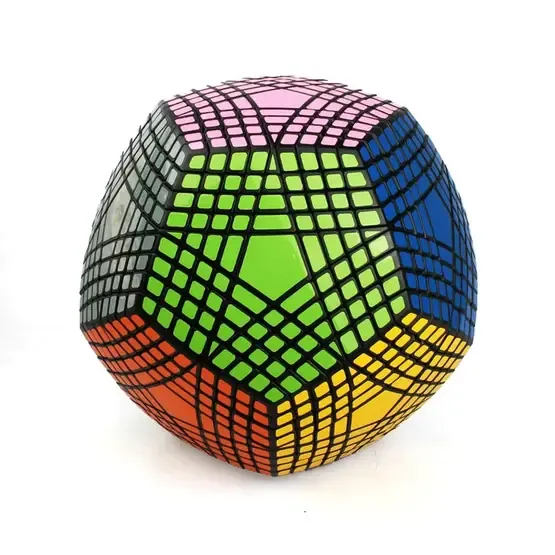
Key Distinctions from the Megaminx
The Petaminx Rubik's Cube doesn't just expand the Megaminx—it reinvents it. Where its predecessor stopped at three layers, this beast adds two more, creating exponential complexity. Let's break down exactly how its deeper architecture, multiplied piece count, and cascading movements transform solving from methodical to monumental.
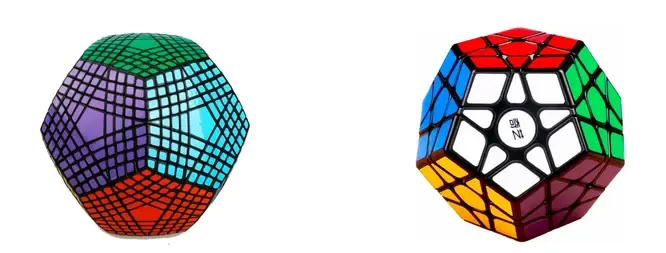
The Megaminx has 3 layers per face (like a 3x3 cube but dodecahedral).
The Petaminx boasts 5 layers per face, placing it in the "higher-order minx" family alongside puzzles like the Teraminx and Zettaminx.
While exact counts vary by design, a standard Petaminx comprises: 20 corner pieces (same as Megaminx, but with deeper layers), 30 outer edge pieces (like Megaminx), about 150 additional inner edge/wing pieces (unique to higher-order minxes),12 fixed center pieces.
Each turn affects multiple nested layers, creating a cascading effect.
The 5x5 grid per face analogy isn't perfect—unlike cubic puzzles, minxes use pentagonal layers with irregular piece shapes.
How to Solve the Petaminx Cube
If you're familiar with the Megaminx, solving the Petaminx Puzzle will have some similarities, but with more complexity. Here's an overview of the general solving method:
Procedure 1. Start with the First Layer
Just like with other twisty puzzles, begin by solving one layer of the Petaminx. A good strategy is to start with the center pieces of one face, then work outward, aligning the edge and corner pieces. Since the Petaminx has multiple layers, try to get the first layer set up while keeping the puzzle's symmetry intact. The key here is to treat the Petaminx like a larger Megaminx, but with a little more patience.
Procedure 2. Solve the Opposite Layer
Once you've completed the first layer, move on to the opposite layer. This step requires careful positioning, as turning one part of the puzzle can affect the arrangement of the other pieces. You'll need to carefully align the edges and corners on the opposite face, while ensuring that the first layer remains undisturbed.
Procedure 3. Work on the Middle Layers
With the first two layers solved, focus on the middle sections. In this stage, you'll need to pair up edge pieces and position them correctly. This is where the complexity of the Petaminx comes into play—pieces can become easily misaligned, so precision is key.
Procedure 4. Edge Pairing
The next step is to pair the edges of the middle layers. Because of the extra layers in the Petaminx, this can be a little trickier than with other puzzles. Pay close attention to the orientation and positioning of the edge pieces, as even a small misalignment can set you back several moves.
Procedure 5. Finish with the Final Layer
The final layer is where the puzzle's true complexity shines through. Once most of the pieces are aligned, you'll need to use a combination of algorithms to orient the last layer without disturbing the solved sections.
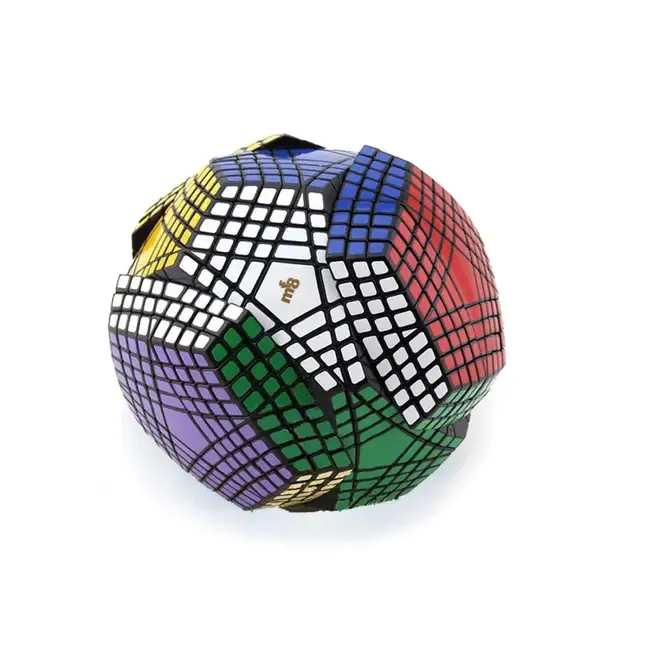
This is similar to how you would solve the final layer of a Megaminx, but with additional edge and corner permutations to consider. Solving the final layer can involve a series of algorithmic steps, many of which are specific to the Petaminx itself.
Tips for Solving the Petaminx
Solving the Shengshou Petaminx is no small task. With its 12 faces and multiple layers, it's far more complex than the average twisty puzzle. Whether you're tackling it for the first time or looking to refine your approach, a few practical strategies can make a big difference. Here are some key tips to keep in mind:
Patience is Key
The Petaminx takes time—lots of it. Rushing through the solve often leads to misplaced pieces or frustrating mistakes. Take it slow and focus on understanding how each turn affects surrounding layers. The more intentional your moves, the easier it becomes to stay on track.
Learn Algorithms
Certain parts of the Petaminx puzzle, especially the final layers, require specific algorithms. These include steps for edge pairing, positioning corners, and orientation. Learning and practicing these algorithms will help you move more confidently through complex sections.
Be Ready for Parity Errors
Due to its size, the Petaminx cube is prone to parity errors—situations where one or more pieces seem unsolvable using standard moves. These are common in large puzzles and usually need special parity algorithms. Knowing how to handle them ahead of time will save you a lot of frustration.
Use Color-Coding or Labels
Keeping track of all the pieces can be overwhelming. Many solvers find it helpful to color-code faces or use small labels to mark key pieces. This can improve your spatial awareness and make it easier to spot misplaced parts as you go.
Bonus: a Handy Cube Solver App Tool
While solving the Petaminx is a rewarding challenge, tools like the AI Cube Solver app can help strengthen your cubing skills on simpler puzzles first. The app is perfect for solving the classic 2x2, 3x3, 4x4 Rubik's Cube, offering step-by-step guidance that can help you become more comfortable with basic algorithms and cube mechanics.
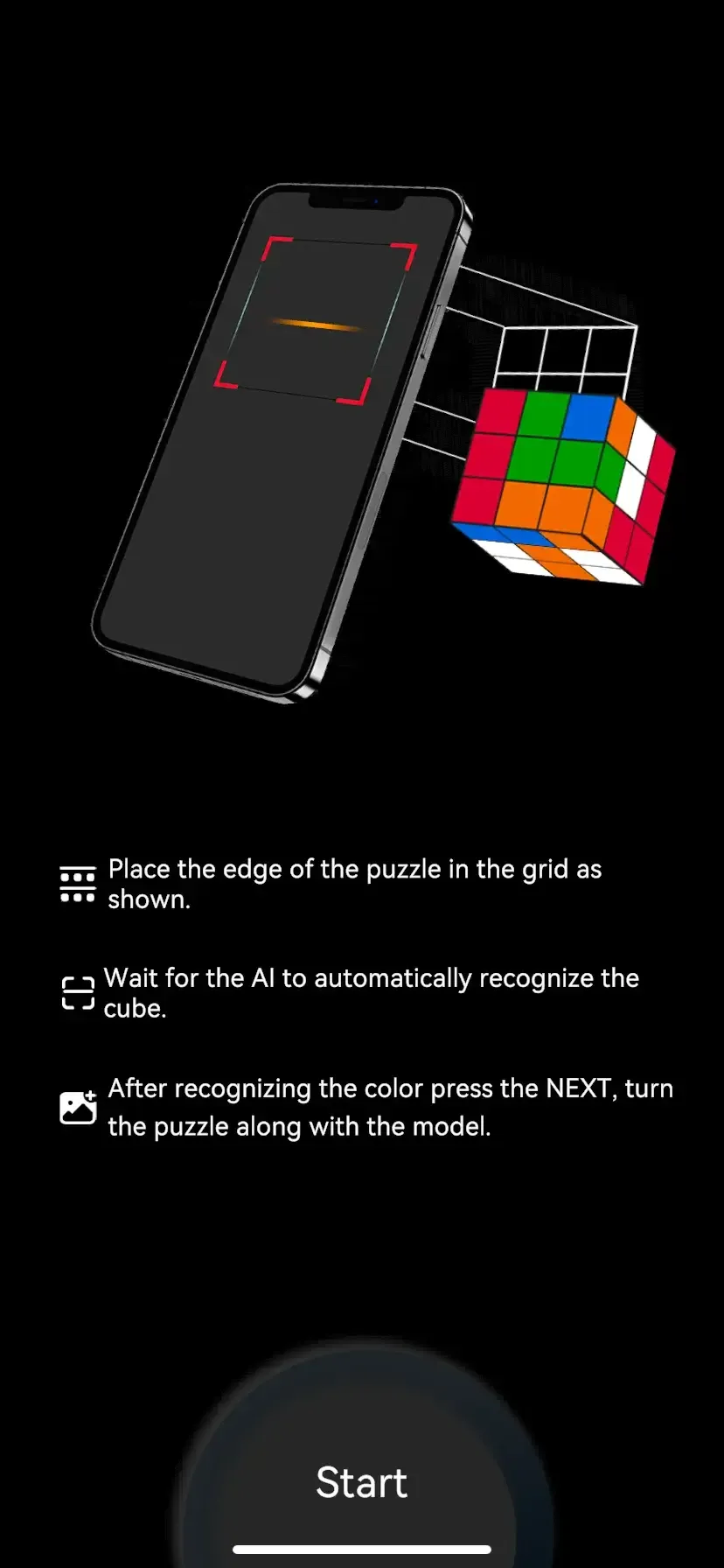
While it doesn't yet support advanced puzzles like the Petaminx, mastering the Rubik's Cube with the app will give you the foundational knowledge needed to tackle more complex puzzles like the Petaminx in the future.
Bottom Line
The Petaminx is one of the most challenging and rewarding puzzles in the world of twisty puzzles. With its 12-sided dodecahedron shape and five layers per face, it offers a level of complexity that will challenge even the most experienced cubers. Whether you're looking to push your problem-solving abilities to the limit or simply enjoy the satisfaction of completing a highly intricate puzzle, the Petaminx is an excellent choice.
Petaminx FAQ
Q: What is a Petaminx?
A Petaminx is a large, dodecahedron-shaped twisty puzzle with 12 faces and multiple layers on each side. It's similar to the Megaminx but much more complex, with many more pieces to move and align. Solving the Petaminx involves advanced strategies, pattern recognition, and patience, making it a favorite challenge for experienced puzzle enthusiasts.
Q: How many pieces does a Petaminx have?
A Petaminx has 975 individual pieces in total. This includes 12 fixed center pieces, 120 corner pieces, and 843 edge and inner layer pieces. Its high piece count and layered design make it one of the most complex twisty puzzles available.