

No headings found
A Torre de Rubik, comumente conhecida como 2x2x4, oferece uma experiência única de quebra-cabeça. Não se trata apenas de combinar cores ou seguir algoritmos, mas desafia sua compreensão da forma, da simetria e de como as peças se movem no espaço. Hoje, exploraremos o que diferencia a Torre de Rubik, como ela funciona e por que ainda atrai o interesse dos entusiastas de quebra-cabeças em todos os lugares.
O que é a Torre de Rubik?
A Torre de Rubik, oficialmente conhecida como 2x2x4, é um quebra-cabeça sinuoso que combina forma simples com profundidade mecânica. Tem o formato de uma torre retangular com duas unidades de largura, duas de profundidade e quatro de altura. Destaca-se como um dos quebra-cabeças de estilo cubóide mais acessíveis disponíveis. Apesar de sua aparência modesta, a Torre ocupa um lugar especial na família Rubik por causa de como ela se move, muda e resolve.
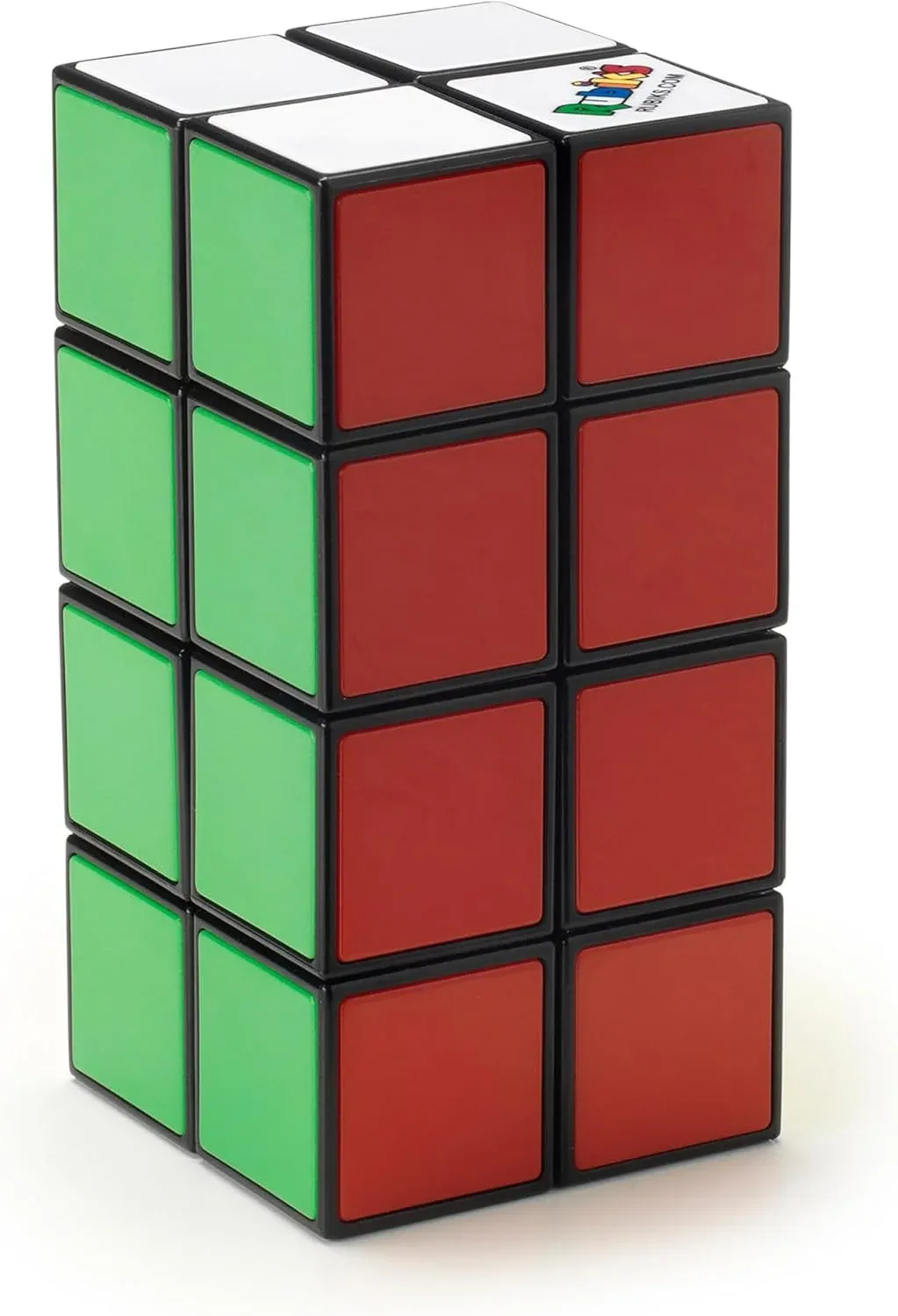
Você pode ouvir esse quebra-cabeça ser chamado de nomes diferentes. Entre colecionadores e amadores, é frequentemente referido como 2x2x4. Outros a chamam casualmente de Torre de Rubik por causa de seu formato alto e estreito. Algumas lojas online o listam como Torre Mágica ou Quebra-cabeça Retangular de Rubik. Ainda assim, 2x2x4 é o nome mais preciso ao descrever suas dimensões e método de resolução.Uma grande diferença entre a Torre do Cubo de Rubik e o clássico Cubo de Rubik 3x3 reside em como ela funciona e como é moldada. O 3x3 possui uma estrutura cúbica uniforme, enquanto as dimensões irregulares da Torre criam uma condição chamada bandagem. Isso acontece quando algumas peças estão fisicamente conectadas, o que limita o movimento.
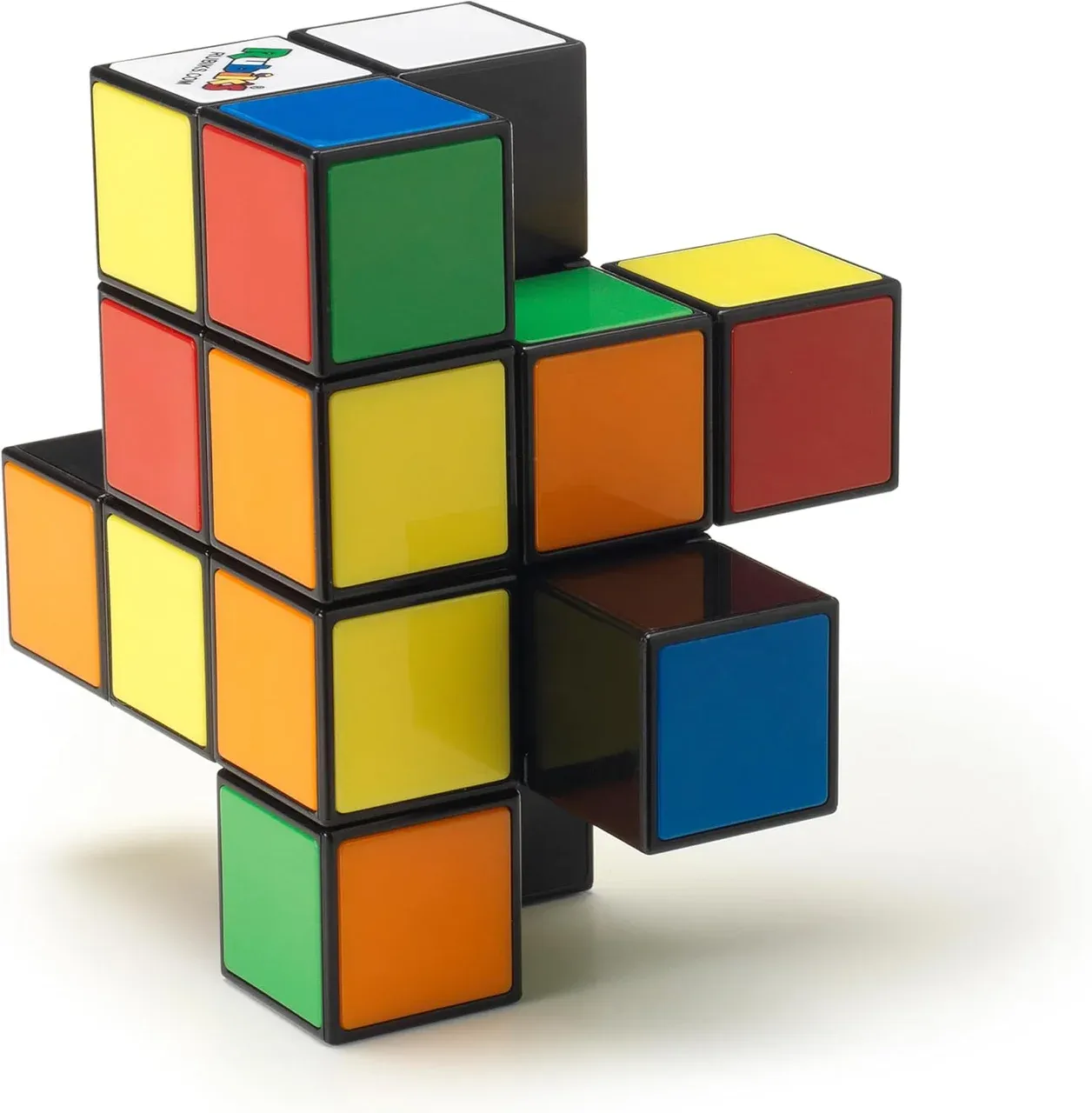
Além disso, quando a Torre é embaralhada, ela frequentemente muda de forma. Sua aparência cubóide limpa pode se transformar em uma pilha irregular e irregular. Em contraste, o 3x3 sempre mantém a sua forma de cubo, não importa quão torcido esteja. Esta mistura de movimento restrito e mudança de forma dá à Torre de Rubik uma identidade única. Pode ter menos peças do que um 3x3, mas o desafio adicional da complexidade visual e mecânica torna-o uma nova versão do quebra-cabeça clássico.
O que torna a Torre do Cubo de Rubik diferente?
Embora o Tower Cube possa inicialmente parecer apenas um cubo esticado, sua mecânica interna, opções de construção e variações no design o diferenciam de maneiras significativas. Os solucionadores que o abordam esperam um mod de forma simplificado ou 3x3 em escala reduzida, muitas vezes ficam surpresos com as camadas de nuances que ele introduz.
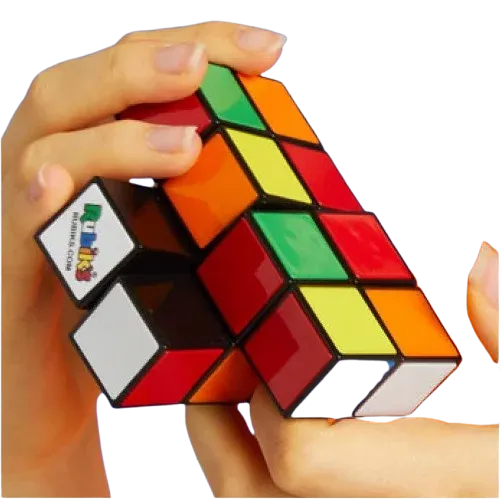
Dimensões e mecanismoEm sua essência, a Torre de Rubik tem uma estrutura 2x2x4, o que significa que tem duas camadas na largura, duas na profundidade e quatro na altura. As camadas superior e inferior (aquelas com faces 2x2) podem girar livremente, como um cubo 2x2 típico. No entanto, as camadas intermediárias são amarradas em pares, o que significa que não podem ser giradas independentemente.
Esse movimento travado, muitas vezes chamado de bandagem, é o que dá à Torre sua sensação única. Ele bloqueia parcialmente as camadas e leva à mudança de forma quando embaralhado. Mesmo algumas voltas podem fazer o quebra-cabeça parecer irregular ou descentralizado. Antes de começar a resolver as cores, primeiro você precisa trazer a Torre de volta à sua forma original e limpa. Essa etapa extra adiciona um tipo diferente de desafio que você não encontrará em quebra-cabeças de cubos típicos.
Versões sem adesivos vs. versões com adesivos
Outra distinção digna de nota é a variação entre modelos com e sem adesivos. As versões com adesivos apresentam adesivos coloridos tradicionais aplicados em cada faceta, lembrando os clássicos cubos de Rubik. Embora nostálgicas e fiéis à estética do cubo original, as versões adesivadas são propensas a desgastar, descascar ou desbotar com o tempo, especialmente com o uso frequente.Já as torres sem adesivos são feitas de plástico colorido, com cada cubinho moldado em sua respectiva cor. Esses modelos têm se tornado cada vez mais populares devido à sua durabilidade e aparência vibrante. Eles também permitem um torneamento mais suave em muitos casos, já que os fabricantes podem projetar as peças com melhor alinhamento plástico em vez de levar em conta a espessura do adesivo.
Ambos os tipos funcionam bem funcionalmente, mas solucionadores competitivos ou colecionadores de quebra-cabeças podem preferir sem adesivos para longevidade e consistência tátil, enquanto puristas ou solucionadores casuais podem optar por versões com adesivos para uma sensação nostálgica.
Marcas e modelos populares
Embora originalmente conceituado sob a marca mais ampla de Rubik, o 2x2x4 foi produzido por vários fabricantes importantes de quebra-cabeças, cada um oferecendo variações na qualidade de construção, desempenho de giro e estética.
Um dos modelos mais populares e amplamente recomendados é o Calvin's Puzzle 2x2x4, que apresenta excelente qualidade de construção e giro suave graças ao seu avançado mecanismo interno. As versões de Calvin geralmente vêm em formatos com e sem adesivos e são conhecidas por seu design preciso de bandagens, que permanece fiel ao conceito original, ao mesmo tempo que oferece melhorias modernas.Outros produtores notáveis incluem YJ (YongJun), que oferece uma opção mais econômica com desempenho decente, e ShengShou, uma marca bem estabelecida que frequentemente inclui o 2x2x4 em sua linha de cuboides e quebra-cabeças para iniciantes. Essas versões tendem a ser acessíveis e confiáveis, o que as torna ótimos pontos de entrada para recém-chegados.
Embora a comunidade de quebra-cabeças não trate a Torre de Rubik com o mesmo fervor competitivo dos cubos de velocidade, ainda há um mercado pequeno, mas apaixonado, para coletar diferentes variantes e personalizá-las. Quer você prefira designs chamativos sem adesivos ou designs retrô com adesivos, existe uma versão que se adapta ao seu estilo e nível de habilidade.
Como resolver uma torre de Rubik
Resolver a Torre de Rubik é uma jornada em três etapas distintas: restaurar sua forma, resolver o bloco interno e finalizar as camadas externas. Ao contrário do Cubo de Rubik padrão, onde apenas as cores orientam o seu processo, a Torre exige que você primeiro coloque o quebra-cabeça de volta em sua forma correta antes de aplicar qualquer lógica de correspondência de cores.
Etapa 1. Restaurar a formaO primeiro passo é devolver a Torre ao seu formato retangular. Quando embaralhado, muitas vezes parece irregular com camadas torcidas ou deslocadas. Isso acontece devido ao seu design que muda de forma. Vire as camadas com cuidado e observe quais se movem livremente e quais estão presas. Alinhe os blocos em colunas verticais retas. Não existe um método definido – apenas observe e ajuste conforme necessário.
Etapa 2: Resolva o bloco interno 2x2x2
Quando a Torre estiver de volta à forma, concentre-se nas quatro camadas do meio. Essas camadas constituem um cubo básico 2x2x2. Se você sabe como resolver um 2x2, você pode usar o mesmo método para iniciantes ou Ortega aqui. As camadas intermediárias giram normalmente e resolvê-las dá ao quebra-cabeça uma base estável. Apenas esteja ciente de que alguns movimentos podem ser limitados devido à forma como as camadas estão interligadas.
Etapa 3: Resolva as camadas superior e inferiorEm seguida, concentre-se nas camadas superior e inferior. Eles contêm peças semelhantes a bordas que se movem de maneira um pouco diferente do que você poderia esperar. Use curvas de fatia e algoritmos 3x3 simples, especialmente aqueles que ajudam no posicionamento das bordas. Você pode se deparar com problemas de paridade em que uma ou duas peças parecem invertidas ou fora do lugar. Isso não acontece em cubos padrão. Para corrigir isso, use movimentos básicos de paridade ou técnicas do método 3x3x2.
Bônus: Se você está confuso sobre o solucionador da Torre de Rubik, um bom lugar para começar é com o tradicional Cubo de Rubik. Existe um aplicativo Cube Solver da AI Rubik que oferece soluções inteligentes passo a passo para diferentes tamanhos de cubo, incluindo 2x2, 3x3 e 4x4. Você pode escanear seu cubo com a câmera do seu telefone ou inserir as cores manualmente para obter instruções de resolução personalizadas.
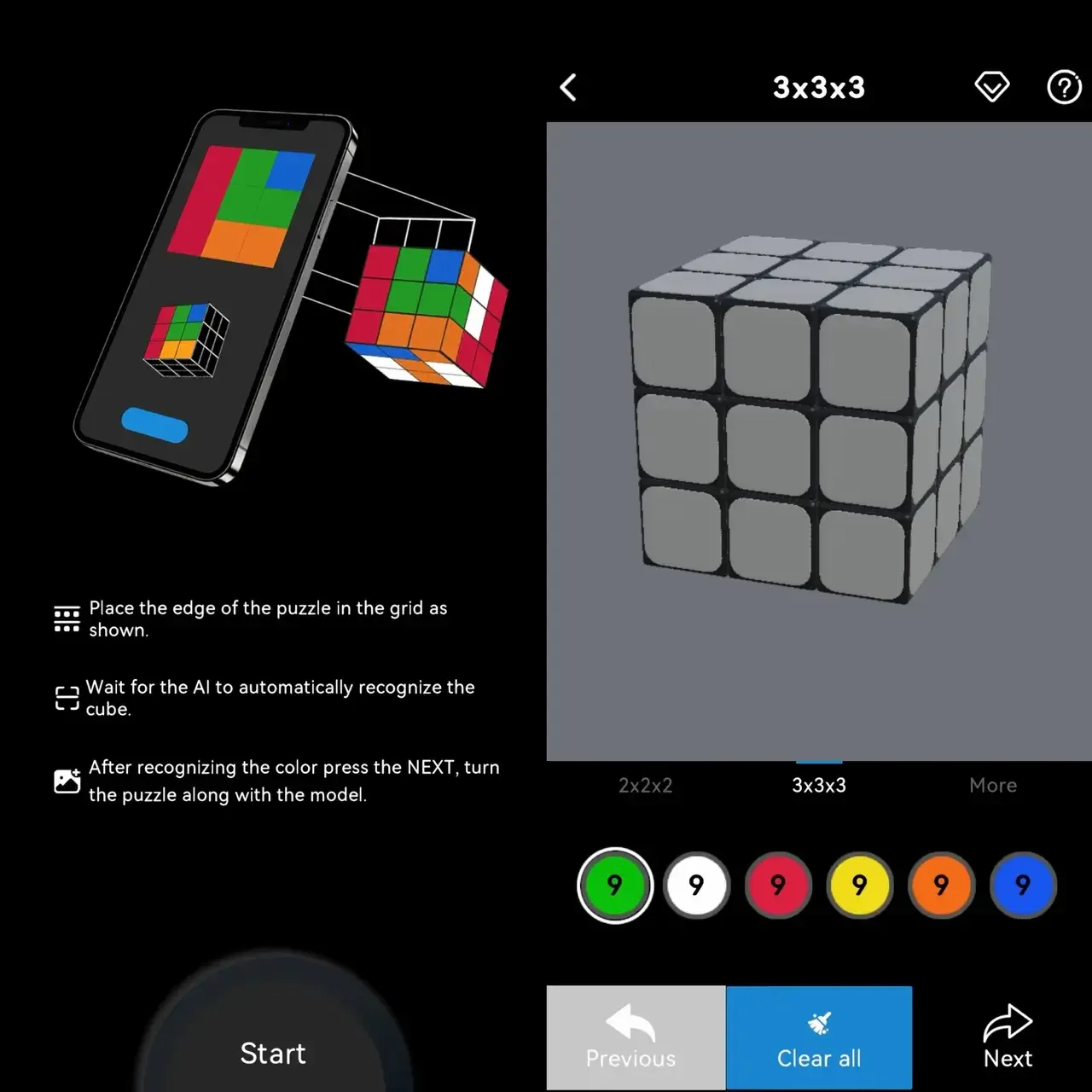

CubeSolver AI


O Cubo de Rubik não sobrecarrega você com tamanho, como um cubo 7x7. Em vez disso, surpreende com profundidade mecânica e engano visual. Um dos aspectos mais divertidos deste quebra-cabeça é como ele parece simples, mas parece complexo, oferecendo uma experiência de resolução em camadas que mantém você envolvido.
Seu desafio é multifacetado: a mudança de forma prejudica sua orientação; o curativo limita seus movimentos; a necessidade de alternar entre estratégias 2x2 e 3x3 mantém seu cérebro alternando entre conceitos. Para cubers que dominam o básico e querem algo diferente, mas não necessariamente mais difícil, a Torre de Rubik é o próximo passo perfeito.
É também uma ótima introdução ao mundo dos cubóides e quebra-cabeças não cúbicos. As técnicas aprendidas aqui podem ser aplicadas posteriormente a quebra-cabeças como 3x3x2, Domino Cube ou até mesmo formas modificadas como Crazy 3x3 Plus. Resumindo, a Torre é mais do que uma curiosidade, mas uma ponte para uma experiência de quebra-cabeças mais profunda e variada.
Palavras finaisA Torre de Rubik pode não ser tão conhecida como o cubo padrão, mas traz um tipo diferente de desafio. Em vez de apenas combinar cores, você também precisa reconstruir sua forma e entender como as peças se movem. Requer uma nova maneira de pensar. Quer você esteja apenas começando ou já familiarizado com quebra-cabeças de cubos, a Torre oferece uma experiência divertida e satisfatória.
Perguntas frequentes sobre a Torre de Rubik
P: Como resolver a torre mágica?
A "Torre Mágica" geralmente se refere à Torre de Rubik ou cubóides semelhantes. Para resolvê-lo, siga estas etapas:
- Restaure a forma cubóide original — sem isso, os algoritmos de cores não funcionarão.
- Resolva as camadas internas usando métodos 2x2.
- Finalize a parte superior e inferior com permutação e orientação de camadas.
- Abordar quaisquer problemas de paridade, que possam exigir algoritmos de outras estratégias cubóides (como técnicas 3x3x2).
P: Como resolver um cubo giratório?
Para resolver um cubo giratório, comece identificando seu tipo, como 2x2 ou 3x3. Comece resolvendo uma face e depois alinhe as arestas e cantos usando métodos básicos de resolução de cubos. Siga uma abordagem passo a passo, como o método camada por camada, e use algoritmos simples para posicionar e girar as peças corretamente. Com a prática, as etapas ficam mais fáceis de lembrar e aplicar.

Kelsey Geller focuses on practical Rubik's Cube learning for beginners. Her guides simplify complex steps, explain the "why" behind moves, and help new cubers build confidence with a reliable solving approach. Every guide follows CubeSolver's editorial review standards before publishing.