
No headings found
The Impossible Cube looks like a regular 3x3 with the same size, stickers, and layout. But once you turn it, something feels wrong. It doesn't change shape or disappear like other novelty cubes. Instead, the cube uses optical illusions and tricky sticker placement to throw you off.
Why Is the Cube Called "Impossible"
Despite the name, the Impossible Rubik's Cube can be solved if you can see through deception. Its challenge isn't mechanical, but psychological. This cube is designed to trick your eyes and mess with your process at every turn.
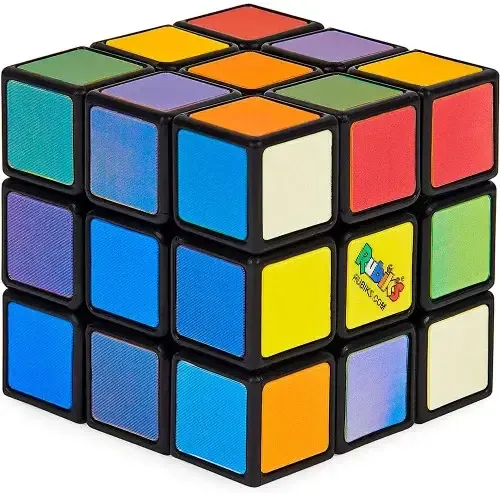
- Color-shifting stickers: change color based on lighting conditions or angles, which leads solvers to question their moves and solutions.
- Misplaced stickers: give the illusion of wrong pieces being in the wrong spots, even though everything is actually correct.
- Similar pieces: at first glance, pieces that look identical but may not be, can be confusing as you try to match them.
The Design Behind the Illusion
So, what exactly makes the Rubik's Cube Impossible so tricky to solve? Let's dive into the design features that turn a standard 3x3 puzzle into a mind-bending optical trick:
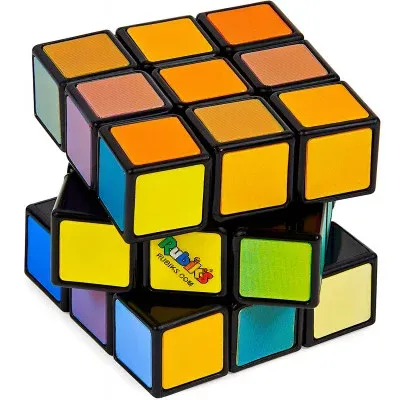
Color-Changing Stickers
Some versions of the Impossible Cube use photochromic stickers, which change color under different light sources. The green side might appear blue in daylight, or red might turn orange in fluorescent lighting. This keeps solvers constantly questioning whether they're solving it correctly or not.
Misplaced Stickers
In some variations, a few stickers may be placed incorrectly, like a Mirror Cube, where certain faces are swapped or rotated. This makes it seem like pieces are in the wrong places, even though, in reality, they are correctly positioned.
Similar Pieces, Different Functions
Other versions employ identical-looking pieces that behave differently. This leads to an optical illusion where two pieces appear to be the same but perform different roles in the cube. As a result, solving the puzzle can feel like you're repeating the same moves without ever getting closer to completion.
Mismatched Angles
Some Impossible Cubes are designed so that the angles of the cube seem "off". You might think you've turned a piece correctly, only to realize it doesn't align as expected because of the deliberate misalignment.
How to Make a Rubik's Cube Impossible to Solve
Now that you have a brief understanding of what makes the Rubik's Impossible Cube such a challenging puzzle, let's dive into the process of solving it.
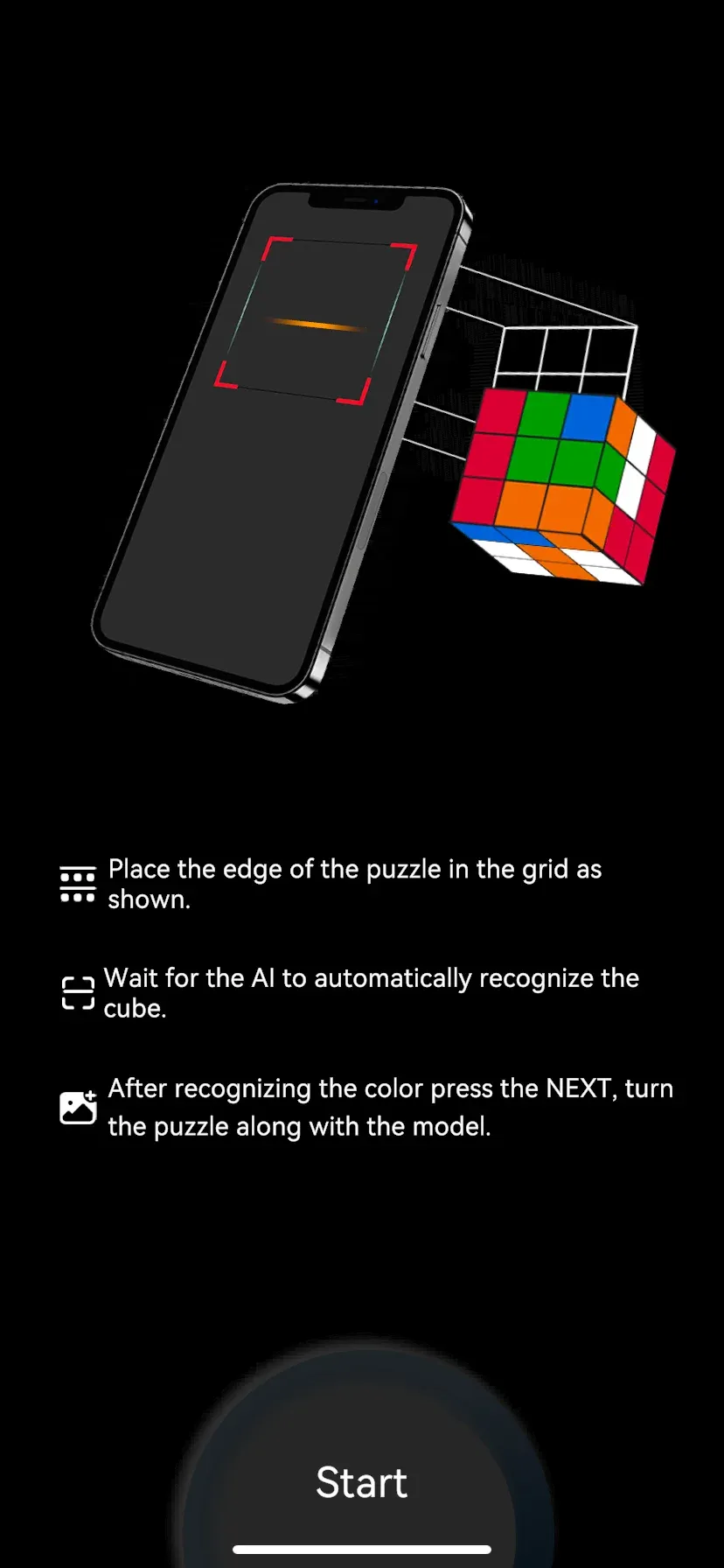
Bonus: Before diving into the Impossible Cube, it's a smart move to sharpen your skills on the classic 3x3. If you're ever stuck or want to learn more efficient solving techniques, an AI Cube Solver app can be your best ally.

CubeSolver AI


Procedure 1. Solve by Layers
Despite its deceptive nature, the Impossible Cube operates on the same basic principles as a traditional Rubik's Cube. Start by solving the first layer, just like you would on a regular cube. The difference here is that you'll need to ignore the shifting colors and focus on the piece positions rather than the colors themselves.
Procedure 2. Identify the Centers
The centers of the Impossible Cube don't move, which makes them your anchor. Use these fixed center pieces as reference points to help guide the solution. The challenge is not to let the changing colors fool you into thinking you've made an error.
Procedure 3. Look for Consistency
Rather than relying solely on color, focus on pattern consistency. Are the pieces correctly aligned? Is the shape of each side starting to look right? Sometimes it's about understanding the piece positions more than the colors.
Procedure 4. Stay Focused on Structure, Not Color
It's easy to get thrown off by the constantly changing colors or illusions of misplaced stickers. Instead of focusing on the color patterns, pay attention to the spatial arrangement of the cube. Work through your solve using the same techniques as a regular 3x3 cube, but always question whether the visual cues are lying to you.
Procedure 5. Test with Low Lighting
To help avoid confusion with color-changing stickers, the Impossible Rubik's Cube solver should be under consistent lighting. Avoid direct sunlight or brightly colored lights that might alter the cube's appearance and add to the challenge.
Before You Buy: Key Considerations
If you're considering adding the Rubik's Impossible Cube to your puzzle collection, there are a few important things to keep in mind before making the purchase. This isn't just another variation of the classic 3x3 — it's a visual challenge that plays with perception more than mechanics.
- Skill Level: This cube is recommended for intermediate to advanced solvers. The visual tricks can be frustrating for beginners.
- Price Range: The Impossible Cube typically ranges from $15 to $40, depending on the complexity and brand.
- Buy from Reputable Sources: To ensure you get an authentic Impossible Cube, buy from well-known puzzle retailers like SpeedCubeShop or TheCubicle.
- Avoid If: If you're easily frustrated by optical illusions or dislike puzzles that require more patience than speed, this one might not be for you.
To Sum Up
The Impossible Rubik's Cube is not just a puzzle but an experience. It teaches you that sometimes, solving a cube isn't about what you see but about how you interpret it. It's a mental challenge that requires patience, attention, and a keen ability to recognize when your eyes are deceiving you.
Impossible Cube FAQ
Q: Is the Impossible Cube possible?
Yes, the Impossible Cube is possible to solve. Its challenge comes from visual tricks like color-changing stickers and misleading patterns that make you doubt your moves, but the solution follows standard 3x3 methods.
Q: What is the rarest cube in the world?
The rarest cube in the world is the Masterpiece Cube, made with 18-karat gold and gems like rubies, sapphires, and emeralds. Created in 1995, it's valued at around $1.5 million.

Kelsey Geller focuses on practical Rubik's Cube learning for beginners. Her guides simplify complex steps, explain the "why" behind moves, and help new cubers build confidence with a reliable solving approach. Every guide follows CubeSolver's editorial review standards before publishing.