O Cubo Mágico é um dos quebra-cabeças mais icônicos e fascinantes já criados. Mas você já se perguntou como fazer um cubo por conta própria? Seja para projetar um cubo personalizado impresso em 3D, criar um cubo de madeira ou até montar um modelo de papel, criar um cubo do zero é um processo gratificante e educativo.
Neste guia, vamos percorrer vários métodos para fazer um cubo, incluindo projetar um Cubo Mágico funcional, construir um cubo decorativo e até criar um cubo com materiais simples. Cada seção traz um processo passo a passo, garantindo que você consiga acompanhar e montar seu próprio cubo!
Entenda a Estrutura de um Cubo
Antes de entrar no processo de construção, é essencial entender a estrutura fundamental de um cubo. O Cubo Mágico padrão consiste em 26 peças móveis e um mecanismo central que permite a rotação em diferentes eixos. Cada cubo é composto por:
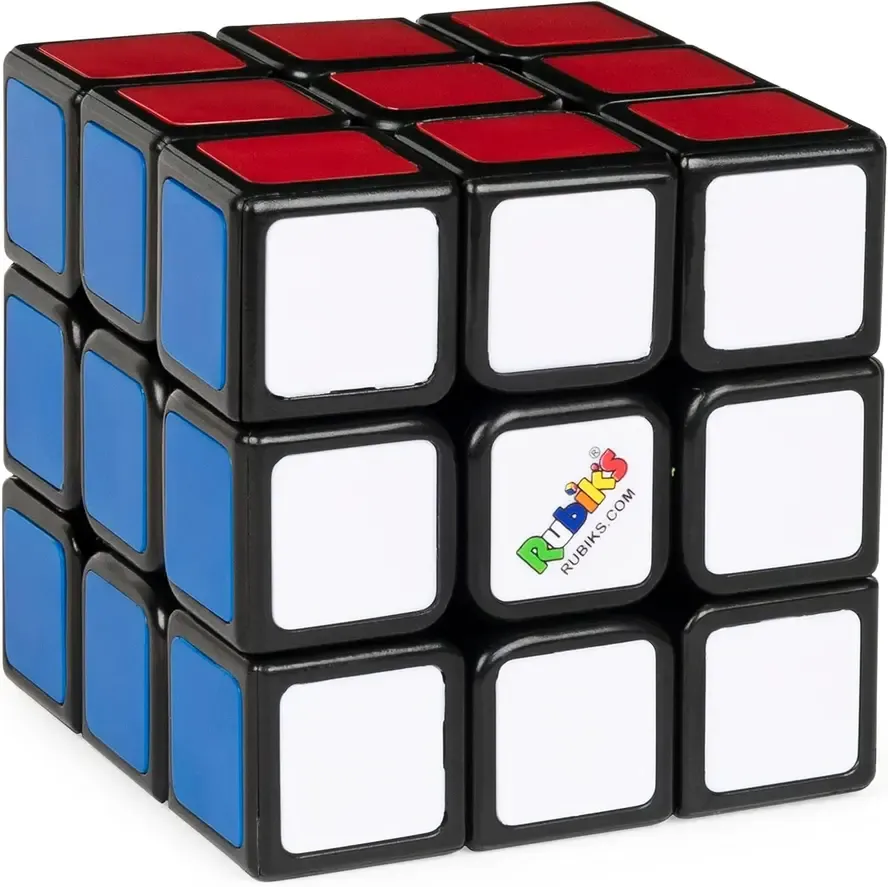
Centros (6 peças) – Fixos no lugar e determinam a cor de cada face.
Arestas (12 peças) – Movem-se ao redor do cubo e conectam os centros.
Cantos (8 peças) – Movem-se e giram para diferentes posições.
Núcleo – O mecanismo interno que mantém as peças unidas enquanto permite a rotação.
Saber isso ajudará na montagem de um cubo funcional. Mas, se você estiver apenas fazendo um cubo decorativo ou sem movimento, a estrutura pode ser muito mais simples. Agora, vamos avançar para como fazer um Cubo Mágico de fato!
Método 1. Como Fazer um Cubo de Papel
Um cubo de papel é um projeto fácil e divertido que requer apenas tesoura, papel e cola. Ele é perfeito para fazer cubos de origami, pequenos cubos decorativos ou até um cubo quebra-cabeça divertido para crianças. Veja os passos detalhados para aprender como fazer um cubo de papel.
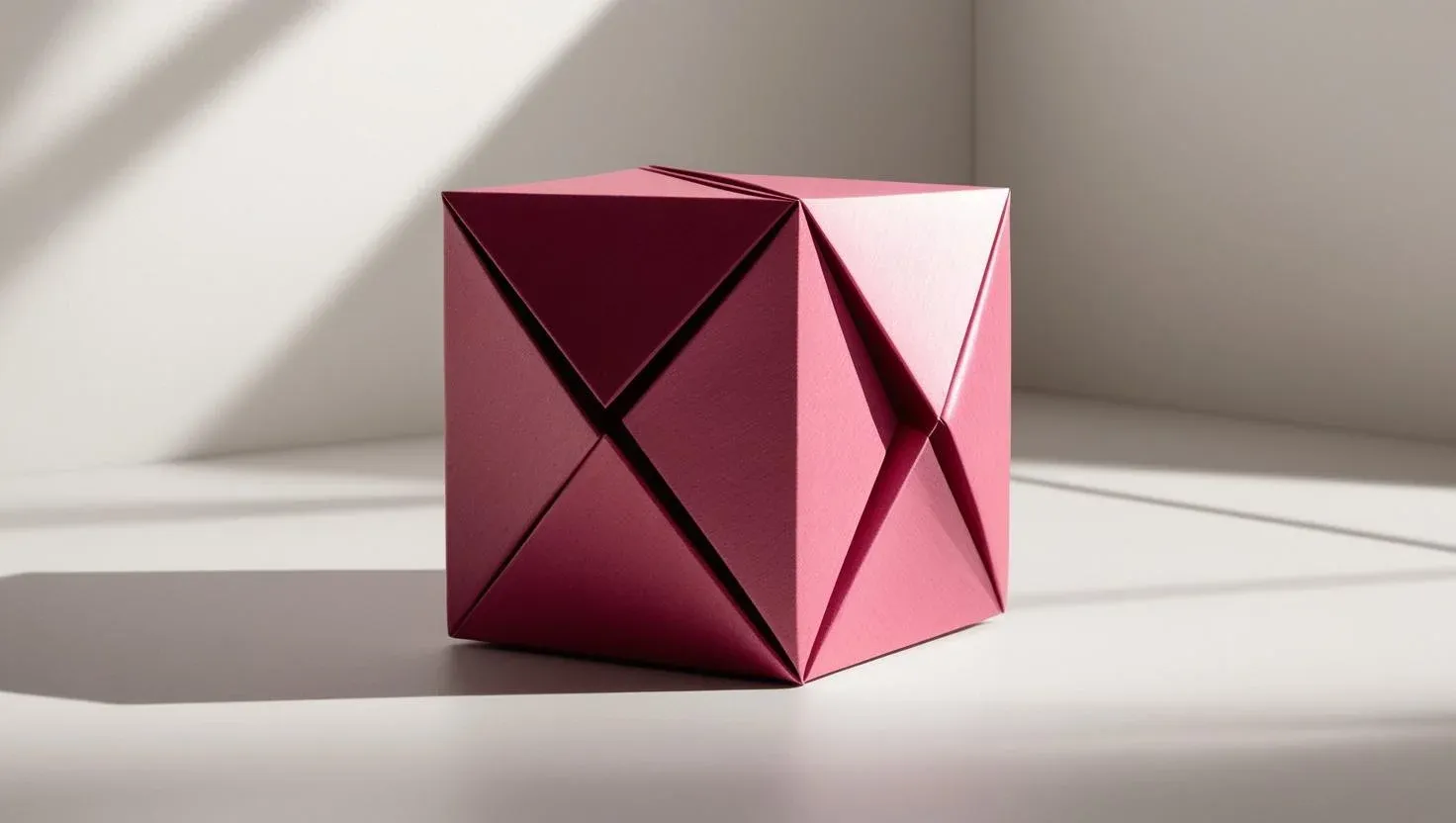
Passo 1: Criar um Modelo de Cubo
Desenhe ou imprima uma planificação de cubo (uma forma 2D que se dobra em um cubo 3D). Como fazer o desenho de um cubo? A planificação deve consistir em seis quadrados conectados. Você pode encontrar modelos imprimíveis online ou desenhar o seu próprio em papel cartão.
Passo 2: Recortar e Dobrar o Cubo
Recorte o modelo e dobre cuidadosamente ao longo das linhas para formar o formato do cubo. Use uma régua para fazer vincos precisos.
Passo 3: Colar o Cubo
Aplique cola nas bordas e monte o cubo prendendo as abas. Segure os lados juntos até a cola secar.
Passo 4: Decorar Seu Cubo de Papel
Depois que a cola secar, você pode desenhar padrões, aplicar adesivos ou colorir as faces para deixar seu cubo único. Se quiser um cubo de papel mais resistente, use papelão em vez de papel comum. Para um cubo de origami, tente dobrar seis folhas de papel idênticas em um cubo modular encaixável!
Método 2. Como Fazer um Cubo de Madeira
Se você prefere uma abordagem clássica e artesanal, construir um cubo de madeira pode ser um desafio divertido e artístico. Este método é perfeito para fazer um cubo decorativo ou até um quebra-cabeça de madeira funcional com peças móveis. Agora, vamos ver como fazer um cubo passo a passo.
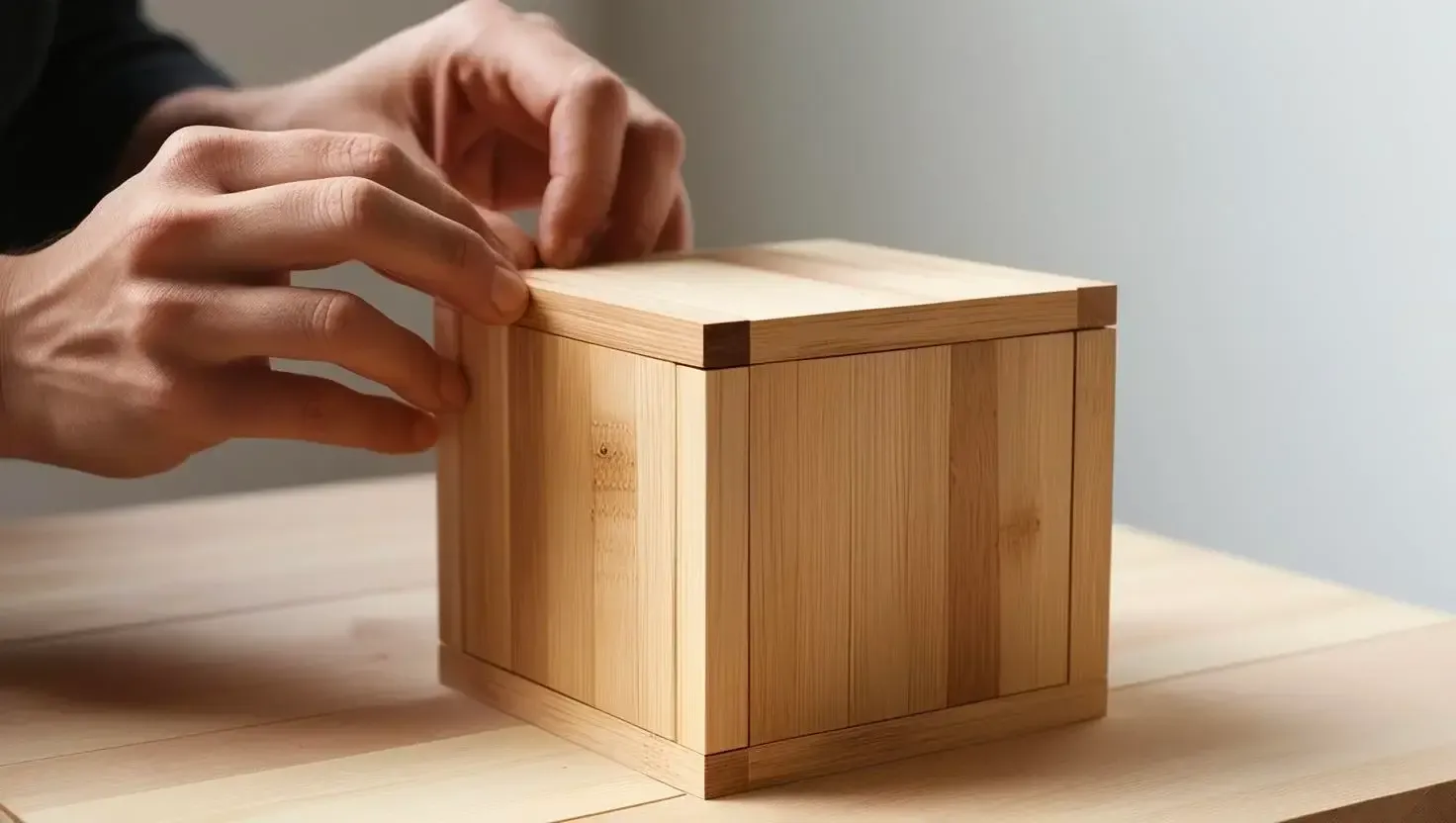
Passo 1: Reunir os Materiais
Para fazer um cubo de madeira, você precisará de:
- Blocos de madeira (cortados em 27 cubos de tamanho igual para um design padrão 3×3).
- Serra e lixa para modelar e suavizar as bordas.
- Cola para madeira ou cavilhas para unir as peças.
- Tinta ou verniz para madeira para o acabamento.
Passo 2: Cortar e Modelar as Peças do Cubo
Usando uma serra, corte cuidadosamente os blocos de madeira em dimensões iguais. Lixe bem as bordas para garantir que elas se encaixem de forma organizada.
Passo 3: Montar o Cubo
Se estiver fazendo um cubo decorativo sem movimento, cole as peças formando uma estrutura sólida. Se quiser um quebra-cabeça de madeira funcional, use pequenos ímãs ou pinos de cavilha para conectar as peças, permitindo movimento.
Passo 4: Toques Finais
Depois de montado, pinte ou aplique verniz no cubo para dar a ele um visual polido. Você também pode gravar padrões ou queimar desenhos na madeira para um toque único!
Método 3. Como Fazer um Cubo 3D
Como fazer um Cubo Mágico? Se você quer construir um cubo funcional e giratório, a impressão 3D é uma das melhores formas de fazer isso. Esse método permite precisão e personalização, dando controle sobre tamanho, cores e até padrões em cada face.
Passo 1: Projetar o Cubo em um Software CAD
O primeiro passo é criar um modelo 3D do cubo usando um software CAD. Se você é iniciante em modelagem 3D, pode baixar designs de cubos prontos em sites como Thingiverse ou Cults3D.
Passo 2: Imprimir as Peças do Cubo
Quando o modelo estiver pronto, exporte-o como um arquivo STL e imprima cada peça usando uma impressora 3D. Use filamento PLA ou ABS para maior durabilidade.
Passo 3: Montar o Mecanismo do Cubo
Após a impressão, você precisará montar o mecanismo central e prender as peças. Um mecanismo típico de Cubo Mágico consiste em um parafuso, uma mola e peças centrais que mantêm tudo unido. Conecte cuidadosamente cada peça de aresta e canto para garantir uma rotação suave.
Passo 4: Aplicar Adesivos ou Cores
Por fim, personalize seu cubo pintando as faces ou usando adesivos de vinil para combinar com o esquema de cores tradicional de um Cubo Mágico. Agora você tem um cubo impresso em 3D personalizado e totalmente funcional!
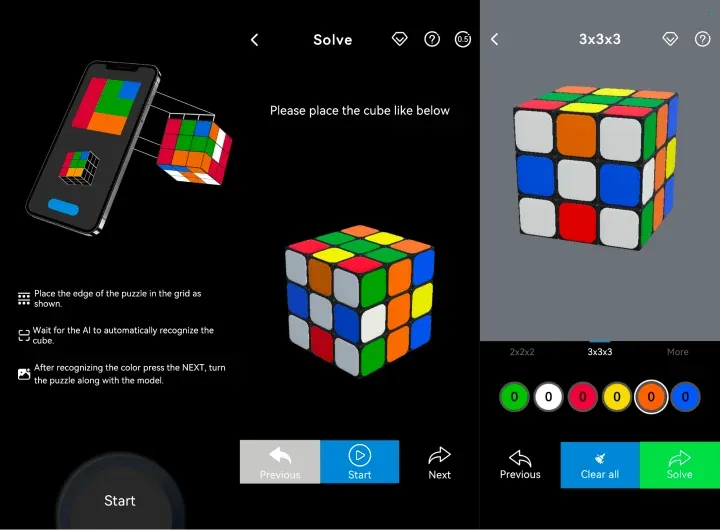
Dica: Ao terminar um cubo, você pode experimentar o app AI Rubik's Cube Solver para resolver facilmente qualquer embaralhamento.
Conclusão
Como fazer um Cubo Mágico mais rápido? Fazer um cubo é um projeto gratificante, seja dobrando um modelo de papel, criando um cubo de madeira ou imprimindo em 3D um quebra-cabeça funcional. Cada método oferece um nível diferente de complexidade, permitindo que você escolha de acordo com suas habilidades e materiais disponíveis. Seguindo os passos deste guia, você pode criar um cubo personalizado adequado às suas necessidades — seja para resolver quebra-cabeças, decorar ou expressar criatividade.
FAQ sobre Como Fazer um Cubo
P: Como fazer um cubo passo a passo?
Se estiver usando papel ou papelão, desenhe seis quadrados iguais em formato de cruz, recorte e dobre ao longo das linhas. Em seguida, cole ou prenda as bordas com fita para formar um cubo. Para um cubo de origami, dobre uma folha quadrada de papel em uma grade, depois modele e encaixe as bordas para travar os lados. Se estiver usando software 3D, basta selecionar a ferramenta de cubo e ajustar o tamanho para deixar todos os lados iguais.
P: Como fazer um cubo 3D dobrável?
Para fazer um cubo 3D dobrável, desenhe seis quadrados iguais em formato de cruz em papel resistente ou papelão fino. Adicione pequenas abas nas bordas para facilitar a montagem. Recorte a forma, dobre ao longo das linhas e use cola ou fita para prender as bordas, deixando um lado aberto se quiser achatá-lo depois. Isso torna o cubo fácil de guardar e reutilizar sempre que necessário.