If you've mastered the classic 3x3, ventured into the 4x4 or 5x5, and now find yourself staring at the daunting 15x15 Rubik's Cube, you've come to the right place. In this guide, we'll explore what makes the 15x15 unique, who should attempt this beast, how to solve it, and most importantly, what hardware you need to tackle this oversized cube.
What Is Rubik's Cube 15x15
The 15x15 Cube is an incredibly complex variant of the classic 3x3 Rubik's Cube, consisting of 15 smaller cubes along each edge, leading to a total of 225 smaller squares per face compared to just 9 on the 3x3. This makes the 15x15 one of the largest and most intricate twisty puzzles ever made, presenting a significant challenge even for seasoned solvers.
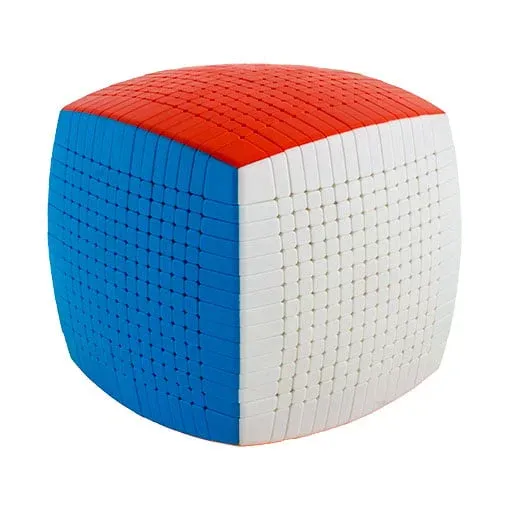
Each of the six faces of the 15x15 cube features a 15x15 grid of smaller squares, and the puzzle operates using a system of interlocking "cubies"—smaller cubes that make up the larger structure. The most noticeable difference between the 15x15 and smaller cubes is the large number of individual pieces that must be manipulated, which drastically increases the complexity of solving algorithms.
One of the biggest hurdles in solving the 15x15 is the occurrence of "parity errors." These are situations where two pieces are swapped or misaligned in ways that do not appear in smaller cubes, creating situations that can't be solved using standard algorithms. Parity errors are common in even larger cubes, like the 4x4 and 5x5, but with the 15x15, they can be especially tricky.
Because of these challenges, solving a 15x15 cube requires a combination of standard methods, like the layer-by-layer (LBL) approach, along with advanced strategies designed for larger cubes. These may include reducing the cube to a simpler form (like solving it as a 3x3), using edge-pairing techniques, and dealing with unique parity situations.
Who Should Attempt a 15x15 Cube
The 15x15 Rubik's Cube is a puzzle that demands both skill and perseverance, making it best suited for individuals with significant experience in solving smaller cubes (like the 3x3, 4x4, and 5x5). It's an advanced challenge that builds on the concepts you've learned with these smaller versions but takes them to an entirely new level.
Experienced Cubers
If you've solved the 3x3 and tackled larger cubes like the 4x4 and 5x5, you're well-equipped to approach the 15x15. These smaller cubes introduce essential concepts such as edge pairing, parity errors, and advanced algorithms. The 15x15 expands on these concepts, requiring more advanced strategies, dexterity, and memory. Expect to use similar methods as before, but with greater complexity and more intricate moves.
Puzzle Enthusiasts with Patience
Solving a 15x15 cube is a marathon, not a sprint. Depending on your skill level and focus, it can take anywhere from several hours to a few days to complete. The key to success here is patience and persistence. If you thrive on long, immersive puzzle-solving experiences and enjoy a challenge that demands both mental and physical endurance, the 15x15 will be a captivating project to dive into.
Cubers Seeking the Ultimate Challenge
For seasoned solvers who have worked through multiple cube sizes and are looking for the ultimate test, the 15x15 represents the pinnacle of puzzle difficulty. It will push your logical thinking, memory retention, and ability to stay focused over long periods. Conquering this cube is both a mental and physical feat, as it requires not only knowledge of advanced solving techniques but also an immense amount of concentration and patience.
Competitive Speedcubers
For those in the competitive speedcubing community, the 15x15 provides an opportunity to compete in one of the most extreme categories. Although it's not a common event in competitions, attempting the 15x15 in a timed setting can be a rewarding and exciting challenge for speedcubers looking to test their skills in a more demanding context.
Novices and Casual Solvers
If you're still relatively new to the Rubik's Cube world or haven't yet mastered cubes larger than the 5x5, it's recommended to first build your skills on smaller puzzles. The 15x15 requires deep familiarity with advanced cube theory, solving techniques, and, perhaps most importantly, a lot of patience. Starting with cubes like the 4x4 and 5x5 will allow you to develop the necessary skills to handle the complexity of the 15x15.
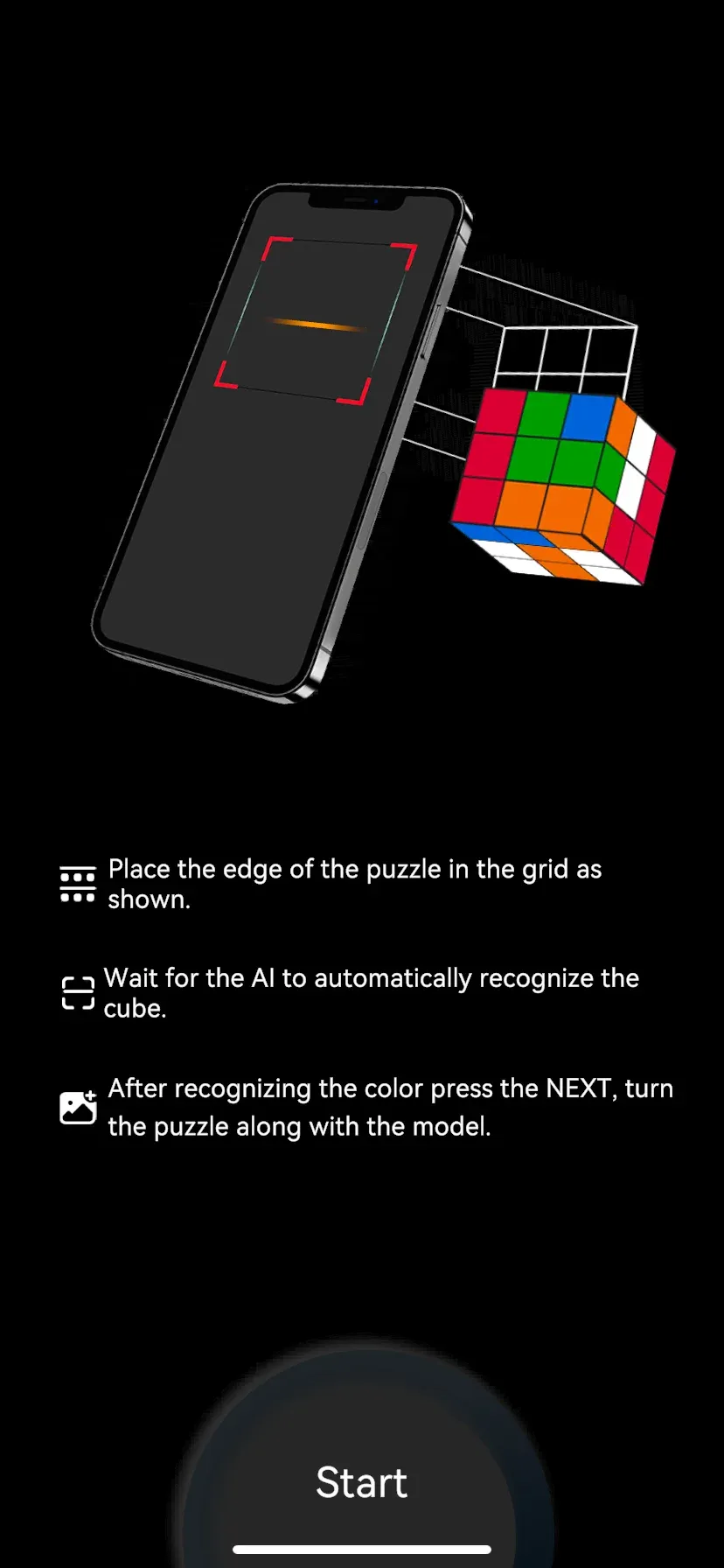
Tip: Here's a handy AI Rubik's Cube Solver app that makes solving your basic cubes a breeze. Whether you scan your cube's current state or manually enter the cube's colors, the app will quickly give you the most efficient solution. It's perfect for getting through those tricky solves to enhance your Rubik's Cube solution experience!
How to Solve a 15x15 Rubiks Cube: Breaking the Beast Down
Solving the Rubik's Cube 15x15 can be intimidating due to its sheer size and complexity, but with the right approach, it's possible to break it down into manageable steps.
Step 1. Solve the Centers
As with the 4x4 and 5x5 cubes, the first step in solving the 15x15 is aligning the center pieces. However, due to the large number of center pieces (each face consists of a 15x15 grid), this step can be quite time-consuming. Begin by solving each face's center, ensuring that all 5x5 sections within the center are properly aligned.
Step 2. Pair the Edges
Once the centers are completed, the next step is to pair the edge pieces. You'll need to use edge-pairing algorithms—techniques commonly used in 4x4 and 5x5 solving—but the increased number of edge pieces means these algorithms must be applied more carefully and with more attention to detail.
Step 3. Solve Like a 3x3 Cube
Once you've paired the edges and solved the centers, the puzzle will begin to resemble a standard 3x3 Rubik's Cube in terms of its mechanics. From here, you can solve the 15x15 much like you would solve a 3x3, using the CFOP method (Cross, F2L, OLL, and PLL). Begin by solving the cross, then move on to solving the first two layers (F2L), followed by orienting the last layer (OLL) and permuting the last layer (PLL).
Step 4. Handle Parity Errors
These occur when two edge pieces are swapped or misaligned in ways that are impossible to achieve on a standard 3x3. Parity errors are more likely to happen on larger cubes like 15x15, and solving them requires specialized algorithms. Common types of parity errors you might encounter include edge flip parity and PLL parity.
Step 5. Finishing Touches
Once you've solved the centers, paired the edges, and navigated any parity errors, the last step is simply completing the final layers. At this point, the 15x15 cube will essentially function like a standard 3x3 in terms of the solving process. The final touches involve completing the last layer and ensuring that all pieces are correctly aligned.
Hardware Matters: Choosing the Right 15×15
When you're diving into the challenge of solving a 15x15 Cube, the right hardware can make a significant difference in your experience. Given the size and complexity of this puzzle, you need a cube that is durable, smooth, and built to withstand the extensive turning required.
Build Quality
Since this is a large and intricate puzzle, you want something that can handle frequent turning and won't break down after extended use. Look for cubes made from high-quality plastic and with a solid internal mechanism. Cubes with stronger, more durable internals are less likely to develop issues like lockups, popping pieces, or misalignment, ensuring that your solution stays smooth throughout.
Smoothness and Corner Cutting
You don't want to deal with cubes that feel stiff or get stuck mid-turn. The cube should also have good corner-cutting abilities—this means that the cube can continue turning even when the layers are slightly misaligned. Corner cutting reduces the risk of the cube jamming or becoming hard to rotate, which is particularly important with the large number of pieces in the 15x15.
Size and Weight
Given the scale of the 15x15, size and weight are important factors to consider. The cube will be quite large and heavier than smaller cubes, so it's essential that it feels comfortable in your hands. If the cube is too heavy or bulky, it could lead to fatigue during long solving sessions. Some cubes offer adjustable weights or come in different sizes, so it's worth testing a few to see what feels best for you.
Lubing and Tensioning
Like all larger cubes, the 15x15 benefits from being properly lubricated and tensioned. Lubricating the cube reduces friction, which leads to smoother and faster turns. Tensioning is equally important—if the cube is too loose, it may become unstable, while if it's too tight, it could cause resistance or make corner cutting difficult.
Price and Availability
Popular brands like MoYu, ShengShou, and V-Cube offer high-quality 15x15 cubes, but the price tag can be steep. It's essential to shop around and find a balance between price and quality. While it's tempting to go for the most affordable option, remember that investing in a durable and well-performing cube will make your solving experience much more enjoyable and less frustrating in the long run.
Closing Words
The 15x15 Rubiks Cube is a true test of both patience and skill, offering a level of challenge that even experienced cubers will find unique and demanding. Solving this massive puzzle requires not just logic but a deep sense of persistence and an eye for detail. Whether it takes hours or even days to solve, the satisfaction of conquering such a complex puzzle is unmatched.
15x15 Rubik's Cube FAQ
Q: What is the 15x15 world record?
The current world record for solving a 15x15 Rubik's Cube is held by Canadian speedcuber "ap," who completed the puzzle in 23 minutes and 34.110 seconds. This achievement was recorded as an unofficial world record on the Speedsolving.com Wiki.
Q: How fast can a 12-year-old solve a Rubik's cube?
A 12-year-old can typically solve a Rubik's Cube in around 1 to 2 minutes if they have practiced and learned the standard solving methods. Some highly skilled 12-year-olds may even solve it in under a minute, especially if they use advanced techniques like CFOP or have participated in speedcubing competitions.