If you've mastered the 3x3 and are curious what's next, welcome to the ultimate guide on Rubik's Cube variations. From shape mods to size upgrades, this guide breaks down the most popular variations of Rubik's Cube, which challenge and excite solvers of all levels.
Whether you're into speedcubing, casual solving, or collecting, there's a whole universe of Rubik's Cube variations waiting to be explored. We'll walk you through the most popular and fascinating types and offer solving tips.
Why Try Rubik's Cube Variations?
Diving into different Rubik's Cube variations keeps your solving skills sharp and your brain engaged. Each new puzzle introduces different solving logic, helping you grow as a cuber.
Exploring these variations also improves pattern recognition, enhances memory, and keeps boredom at bay. There's always something new to learn, no matter how experienced you are. If you love the 3x3, you'll love the journey of discovering how deep the rabbit hole of twisty puzzles really goes.
Rubik's Cube Size Variations
Before diving into unusual shapes or mechanical oddities, let's start with the most fundamental differences: size. Rubik's Cube size variations scale up or down from the classic 3x3, adding complexity and technique as you go. Each jump in size builds on your previous skills, with added twists like edge pairing, parity errors, and center alignment.
These cubes retain the classic cube structure but vary in the number of layers, each adding new depth to your cubing experience. Whether you're a beginner or a seasoned solver, there's always a new size to challenge you. As you scale up in size, your familiarity with the 3x3 solving method becomes even more essential, forming the basis for solving more complex puzzles.
Note: The AI Cube Solver app offers instant recognition and walk-through solutions for the 3x3, (2x2 and 4x4 also supported). You can also track your solve times, learn new methods, and push your speedcubing limits.
Start Simple: 2x2 Rubik's Cube
The 2x2 is the ideal entry point into the world of Rubik's Cube variations. With fewer pieces and simpler algorithms, it's perfect for building confidence and understanding core solving concepts. This puzzle has no center or edge pieces, making it all about corners. It's compact, travel-friendly, and an excellent warm-up before diving into more complex cubes.
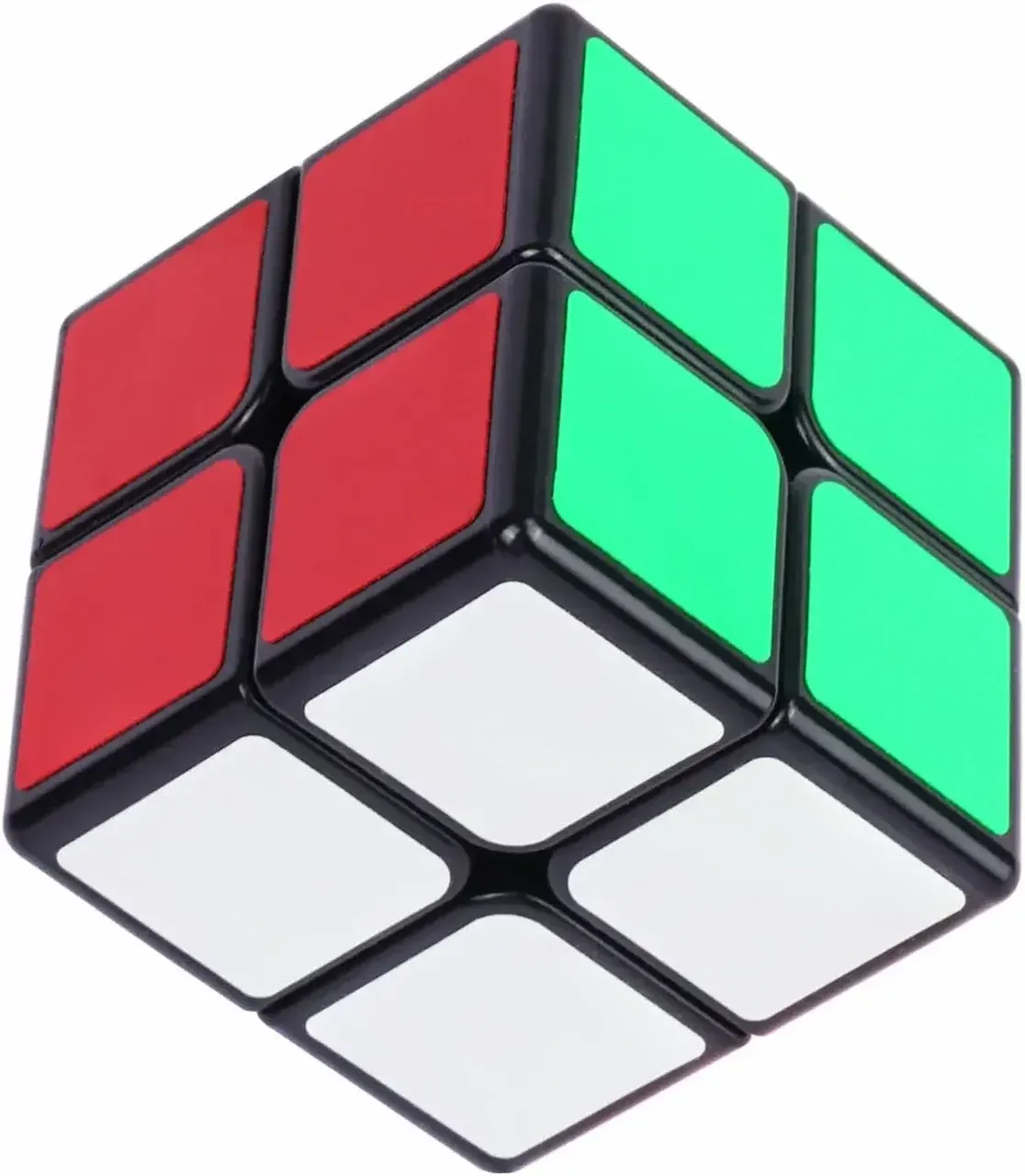
Solving a 2x2 teaches basic layer-by-layer techniques and color matching, laying the groundwork for more advanced cubes.
The Classic: 3x3 Rubik's Cube
The 3x3 is the foundation for nearly all 3x3 Rubik's Cube variations. It's where most solvers begin, and it's essential for understanding the mechanics behind other cubes. Though it looks simple, solving it efficiently involves algorithms, patterns, and practice. Many advanced variations build on the principles of this classic cube.
Level Up: 4x4 Rubik's Cube (Rubik's Revenge)
Once you're comfortable with the 3x3, the 4x4 introduces new layers of difficulty. Unlike the 3x3, it lacks fixed centers and introduces parity errors, which require unique algorithms to resolve.
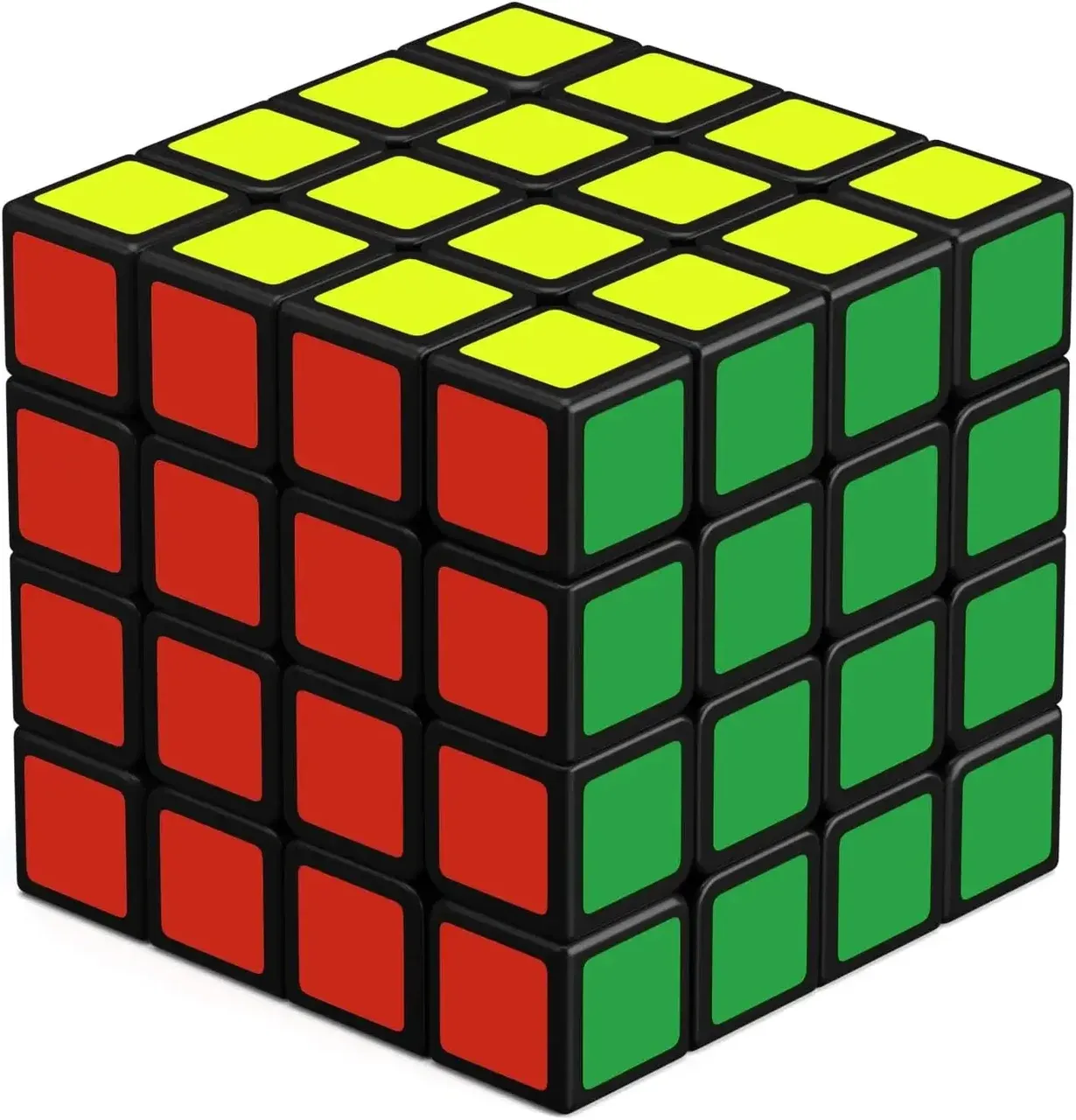
The 4x4 is a stepping stone toward mastering larger cubes and understanding more complex solving mechanics. It also adds a new dimension to your cubing vocabulary.
Go Big: 5x5 and Beyond
Once you've cracked the 4x4, go even bigger. The 5x5, often called the Professor's Cube, is a fan favorite among the best Rubik's Cube variations. Each additional layer introduces more centers and edges to solve.
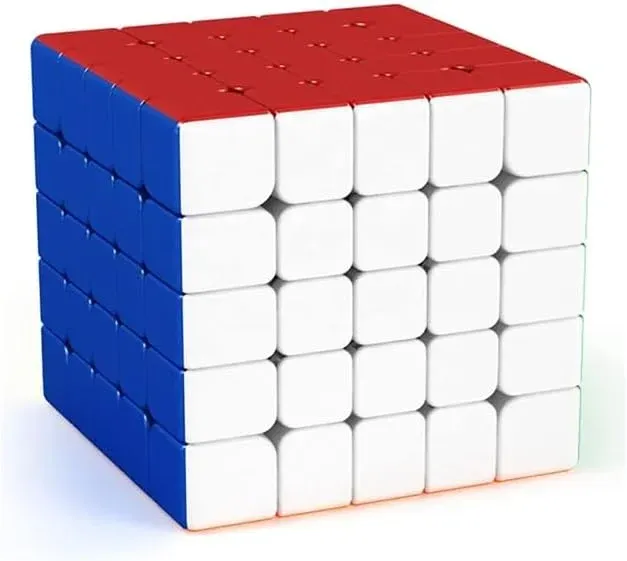
Going beyond to 6x6, 7x7, or even 17x17 cubes pushes your memory, patience, and problem-solving to the next level. These puzzles take longer to solve but are incredibly satisfying. So, these cubes are perfect for solvers who enjoy long sessions and methodical thinking. Start small and work your way up—there's always a bigger challenge waiting.
Rubik's Cube Shape Variations
Shape mods are standout 3x3 Rubik's Cube variations that challenge your perception. Though they operate on a 3x3 mechanism, these mods change how you interact with the puzzle by removing the usual color cues. The two following cubes offer a mind-bending experience, ideal for solvers who enjoy puzzles that look chaotic but follow elegant internal logic. These are must-haves for building spatial reasoning skills.
Spatial Shape-Shifter: Mirror Cube
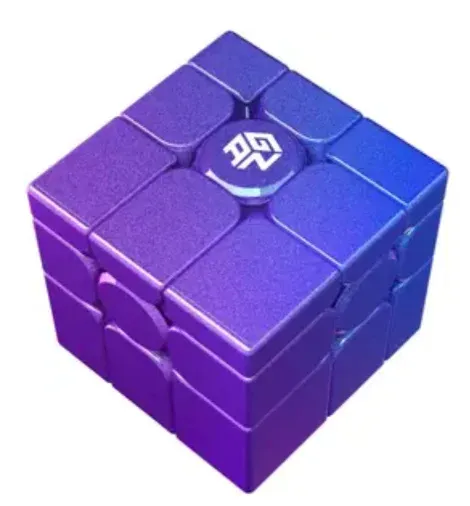
The Mirror Cube features identical-colored stickers but varying block heights. You solve it by analyzing the size and placement of each piece, which adds a whole new level of spatial recognition. It teaches you to recognize shape symmetry and asymmetry, making it an excellent tool for enhancing visual memory.
Mind-Bending Asymmetry: Ghost Cube
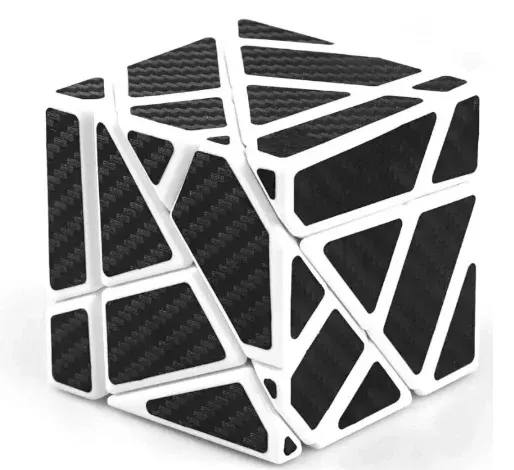
The Ghost Cube raises the bar with extreme asymmetry and a misaligned core. Even in its solved state, it appears scrambled unless aligned perfectly. Solving it requires not just shape recognition, but also precise rotations and advanced understanding of 3x3 fundamentals. The Ghost Cube is widely regarded as one of the hardest Rubik's Cube variations to solve.
Rubik's Cube Geometries Variations
Not all Rubik's Cube variations are cubes! Some puzzles explore different geometries and movement mechanics. These offer a refreshing break from standard cube solving.
In other words, these puzzles add variety to your collection and test your ability to adapt to new rules and patterns. They're some of the best Rubik's Cube variations for creativity and fun.
Tetrahedral Speedster: Pyraminx
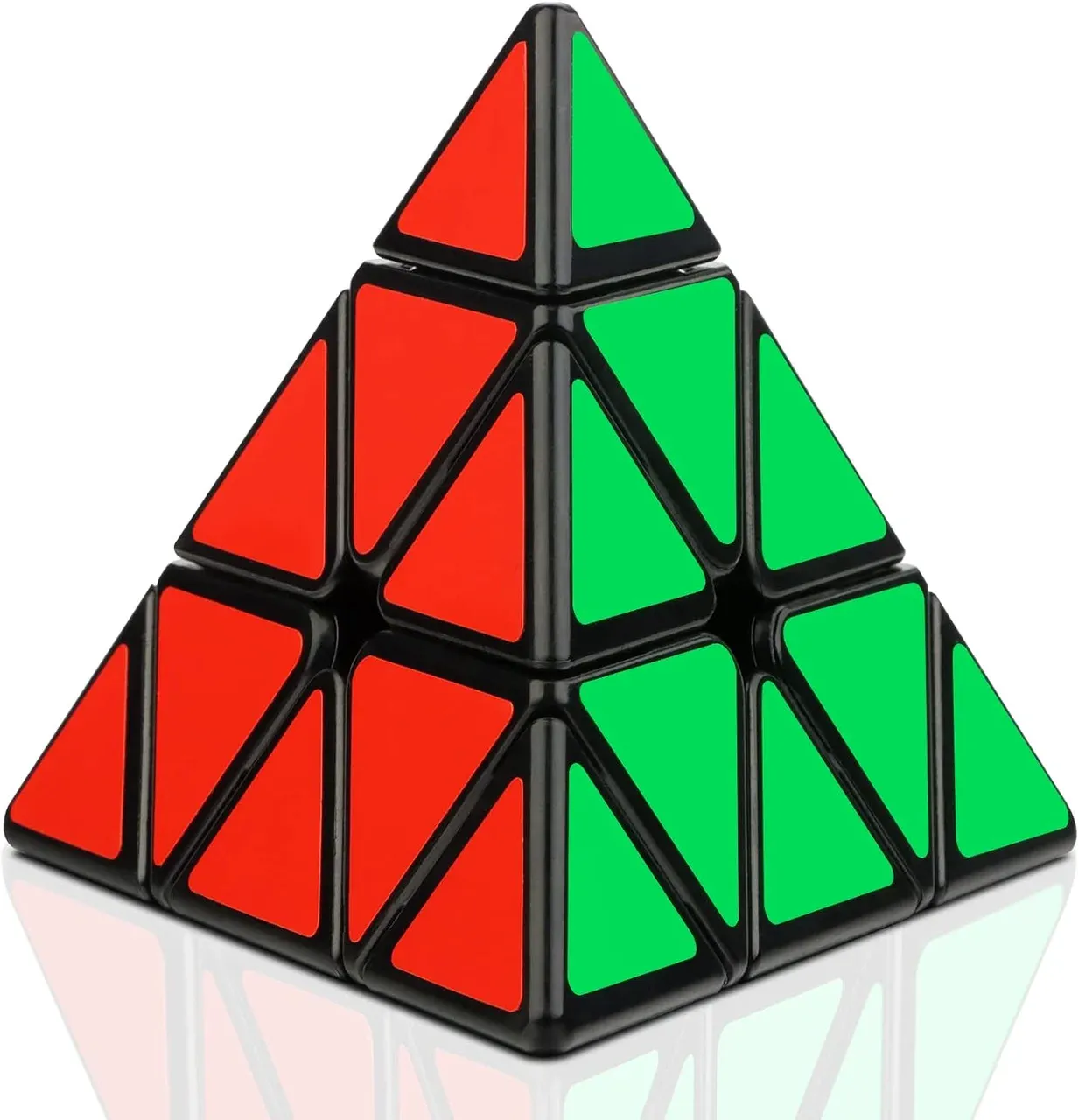
The Pyraminx is a tetrahedron-shaped puzzle with four triangular faces and rotating tips. It has fewer possible combinations than most cubes, making it one of the easiest puzzles to solve. Its intuitive turning system and relatively low piece count make it perfect for beginners and speedcubers alike. It solves quickly and helps develop a feel for axis-based rotation.
Dodecahedral Marathon: Megaminx
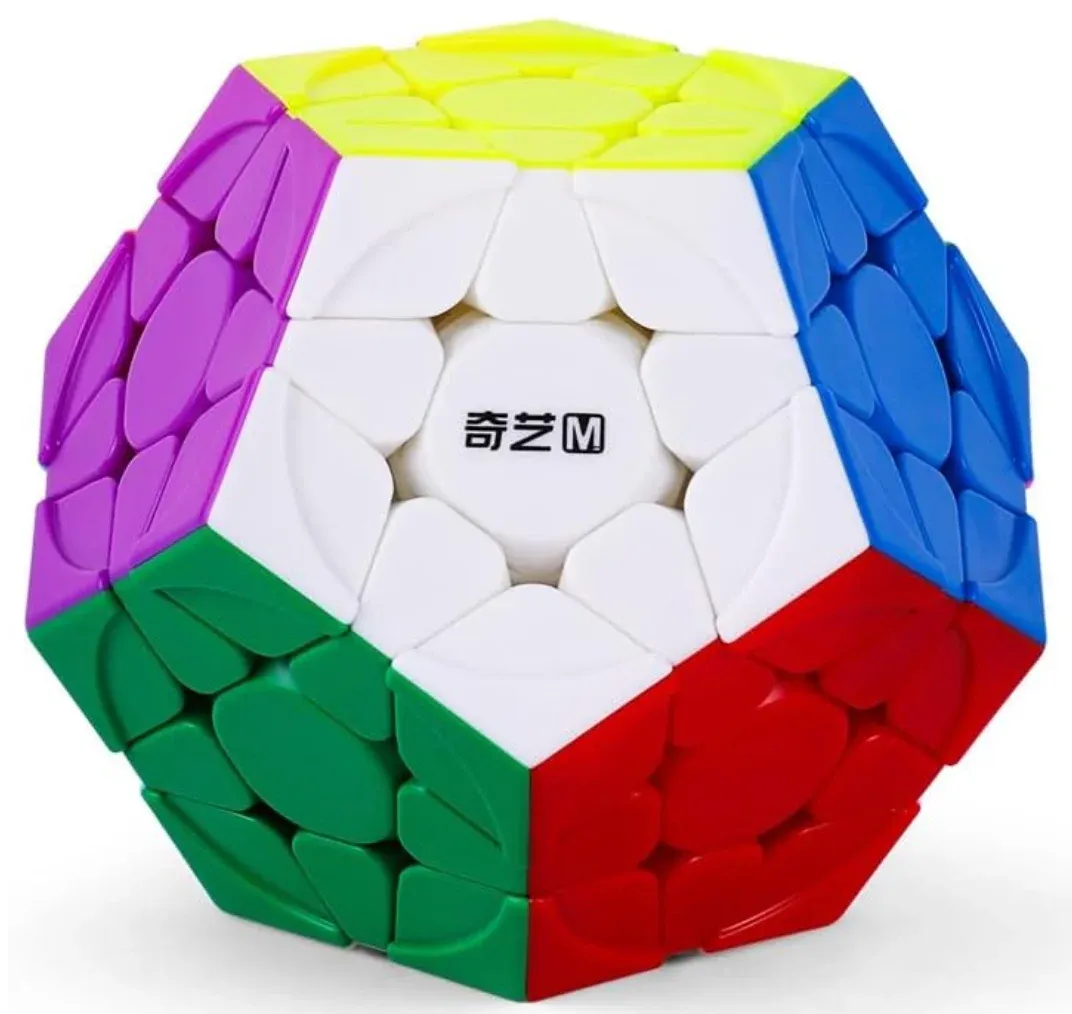
The Megaminx is a dodecahedron with 12 faces and 50 movable pieces, giving it a star-like appearance when scrambled. While it shares many solving principles with the 3x3 cube, the added sides and increased number of pieces make it significantly more complex and time-consuming. It requires extended algorithms and offers a rich, meditative solving experience for those who enjoy longer sessions.
Corner-Twisting Enigma: Skewb
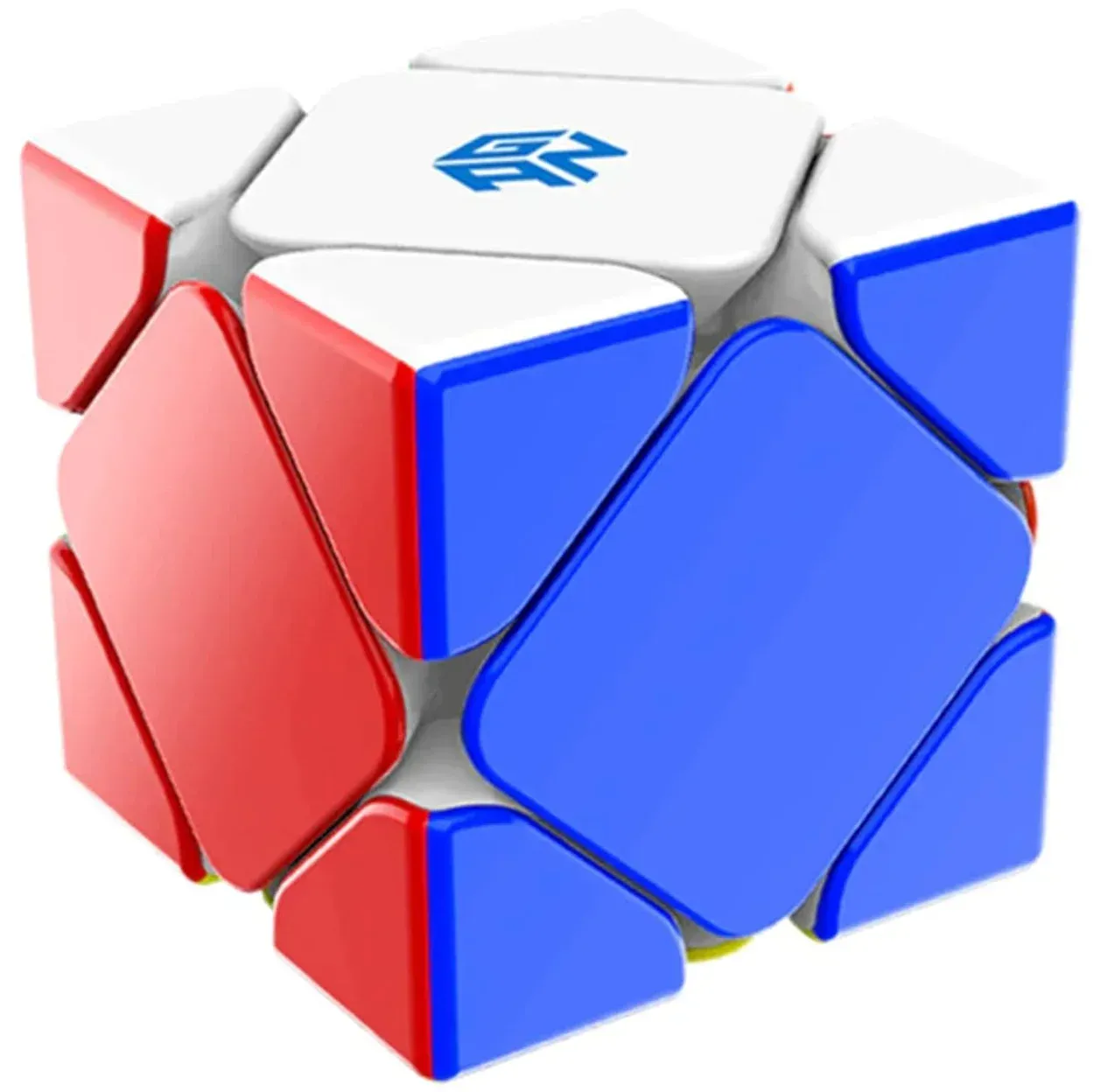
The Skewb is a cube-shaped puzzle that rotates around its corners instead of the traditional face-based turns. This unique movement can be disorienting at first but becomes surprisingly intuitive with practice. Despite its simple appearance, it introduces a fresh way of thinking and appeals to solvers who enjoy mechanical novelty and non-standard logic.
Rubik's Cube Mechanism Variations
Some Rubik's Cube variations aren't just about how they look, but how they move. Mechanical mods introduce new types of movement that change the solving experience completely.
These cubes are perfect for those who enjoy mechanical complexity and want to challenge their understanding of puzzle geometry. They're a rewarding experience for anyone who loves innovation in motion.
Gear-Driven Symmetry: Gear Cube
The Gear Cube features meshed gears that cause multiple layers to rotate simultaneously with each twist. As the gears engage, adjacent sides turn in unison, creating beautiful symmetry in motion.
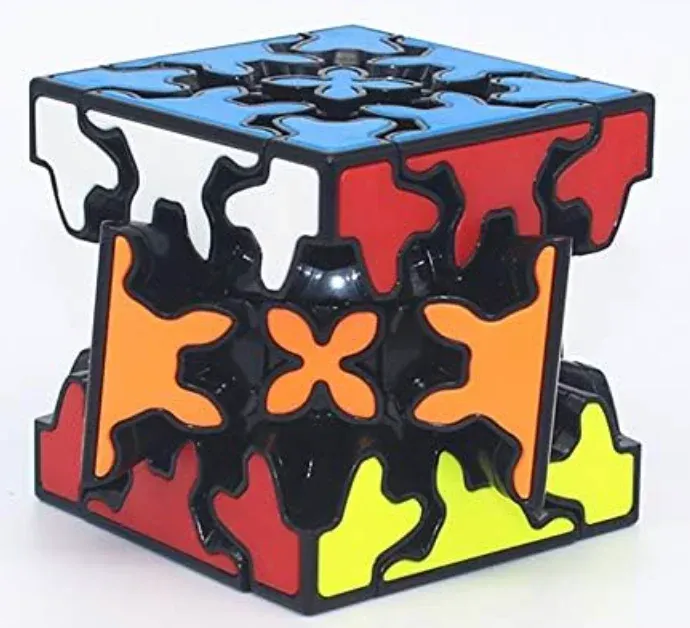
Solving it requires careful planning to sync movements across all layers, making it more strategic than it first appears. Its visually satisfying movement makes it a favorite among mechanical puzzle enthusiasts.
Axis-Defying Chaos: Axis Cube
The Axis Cube is a shape mod of the 3x3 that rotates around skewed, offset axes. When scrambled, it transforms into a chaotic and spiky-looking object that resembles a deformed star.
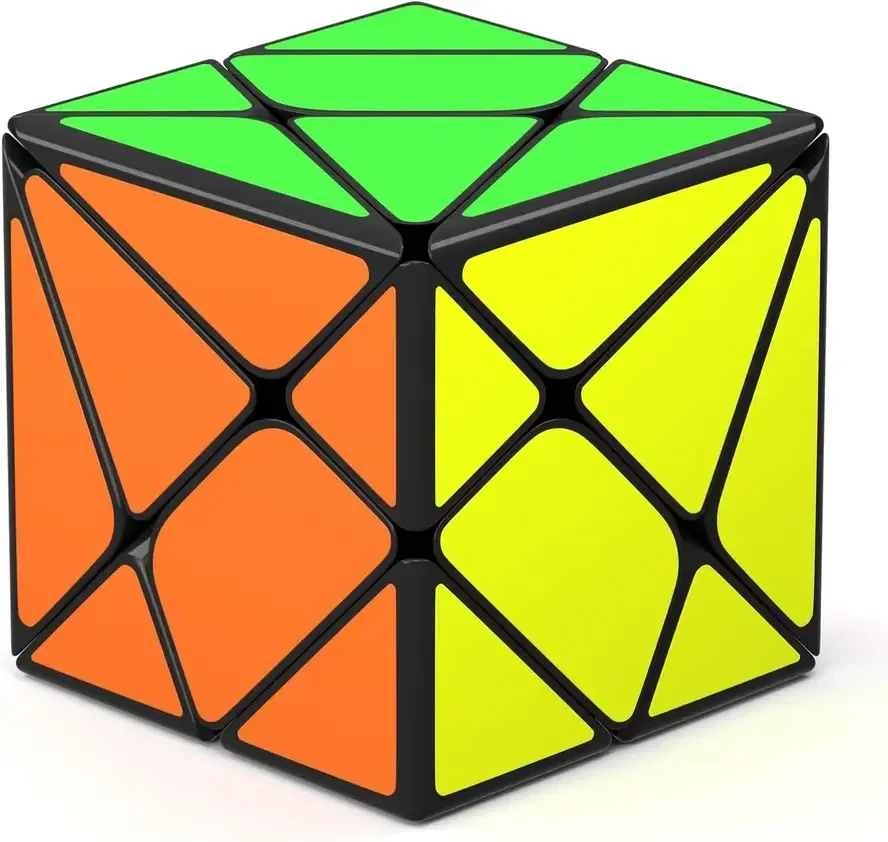
Though it shares the 3x3 solving principles at its core, recognizing pieces and their correct orientation becomes far more challenging. Solving it demands both spatial awareness and a firm grasp of cube mechanics.
Rubik's Cube Theme Variations
Not every cube needs to be ultra-challenging. Themed and novelty cubes embrace fun, creativity, and visual appeal. These puzzles often use the 3x3 structure but reimagine the cube with playful designs and concepts.

Examples include the GoCube, a smart, app-connected 3x3 that lights up and provides real-time feedback, interactive tutorials, and even online competitions. Others may feature emoji faces, transparent pieces, glow-in-the-dark stickers, or be shaped like skulls, pyramids, or famous characters.
While they may not introduce new solving mechanics, they add a delightful flair to any collection. Some novelty cubes can still be surprisingly tricky depending on the design. They're perfect as gifts, desk toys, or collector's items that spark curiosity and conversation.
These cubes are great for casual solvers, collectors, or anyone who wants a unique twist on the classic cube. They bring personality and style to the world of Rubik's Cube variations.
Verdict
Whether you're diving into 3x3 Rubik's Cube variations or testing your limits with shape mods and mega puzzles, the world of Rubik's Cube variations is vast and endlessly rewarding. Start with what intrigues you—be it size, shape, or complexity—and grow from there. And don't forget to download the AI Cube Solver app to help you master every twist and turn.
Rubik's Cube Variations FAQ
Q: How many Rubik's cube variants are there?
There are hundreds of Rubik's Cube variations, ranging from official WCA puzzles like the 2x2, 3x3, 4x4, Pyraminx, and Skewb to unofficial and custom-designed cubes. These include shape mods, size upgrades, gear puzzles, geometric twists, and themed designs—each offering a unique solving experience.
Q: What's the easiest Rubik's Cube variation to start with?
The 2x2 cube is the easiest and most beginner-friendly. It helps you understand how cube rotations work without overwhelming you with too many pieces. With just 8 corner pieces to manage, it's ideal for learning color placement and basic solving algorithms.
Q: Which variation is best for speedcubing?
The classic 3x3 is the most recognized and widely used in speedcubing competitions. However, other popular speed events include the 2x2, Pyraminx, and Skewb, thanks to their fast turning and simpler algorithms. These cubes allow solvers to achieve sub-10-second solves.
Q: What's the most complex Rubik's Cube variation?
In terms of size, the 17x17 cube is among the most complex, demanding intense focus and hours of solving. In terms of mechanics and shape, the Ghost Cube and Mastermorphix are incredibly difficult due to irregular shapes, off-axis alignment, and orientation-sensitive solving.