The Ivy Cube stands out among twisty puzzles for its beauty, intuitive mechanics, and beginner-friendly design. Ideal for newcomers and relaxing for seasoned solvers, it's a perfect desk companion. In this post, we'll cover everything you need to know about the Ivy Cube.
What Is the Ivy Cube
The Ivy Cube is a leaf-shaped twisty puzzle originally designed by Eyvind Eivind and later brought to the market by QiYi MoFangGe, a respected name in the speedcubing world. This Cube is built around simple edge turns and features six large, petal-like pieces on each face, making it much more approachable, especially for beginners, while remaining enjoyable to solve.
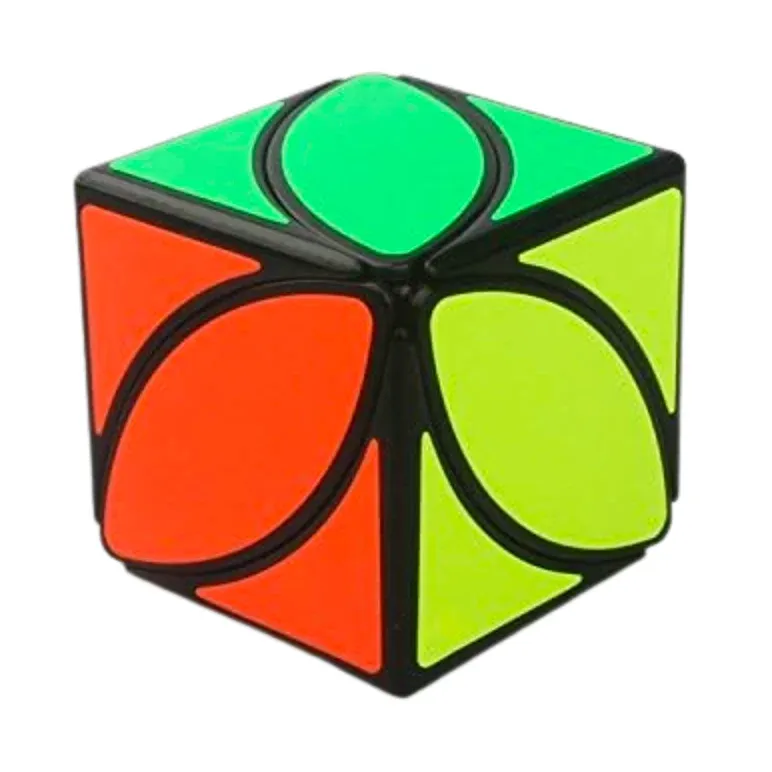
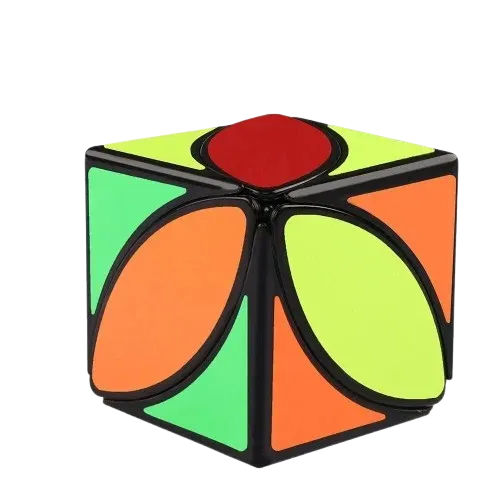
Its name comes from the way its pieces resemble ivy leaves stretching across a trellis. With its smooth curves and organic shape, the Ivy Rubik's Cube is one of the most visually appealing cubes out there. Despite its friendly look, it still offers enough challenges to keep things interesting. Many say solving it feels calm and almost meditative, which is rare for twisty puzzles.
How Does the Super Ivy Cube Work
To understand how the Ivy Cube works, it helps to look at its connection to other puzzles. Mechanically, the Ivy Cube is a variation of the Skewb—a puzzle that turns around its corners instead of its faces, like the Rubik's Cube does. On the Ivy Cube, each twist moves pieces around a corner, causing the leaf-shaped segments to shift in a smooth, flowing motion.
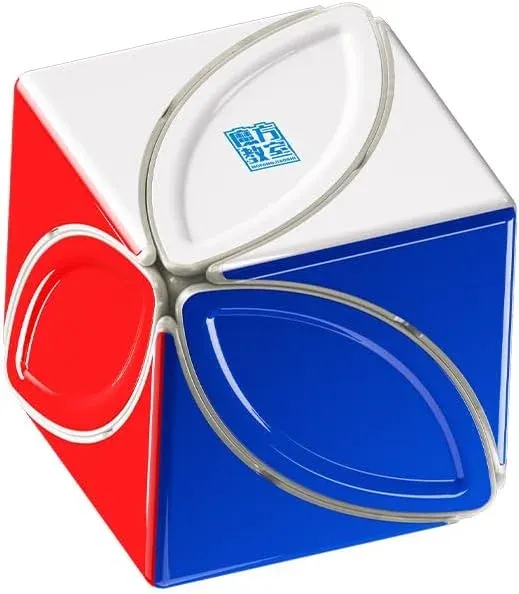
Each turn moves three leaf pieces at once. This means that every move changes a big part of the puzzle, allowing you to make noticeable progress quickly. For beginners, this can be especially encouraging, since even a few moves can bring the puzzle closer to its solved state. In contrast, a standard 3x3 Rubik's Cube often takes many more steps to correct a single piece.
The Ivy Rubik's Cube has 12 leaf pieces and 6 center pieces. The centers stay in place during every turn, which makes it easier to keep track of what's happening. Overall, the design is simple, intuitive, and satisfying, making it a great puzzle for solvers of all ages and skill levels.
How to Solve Ivy Cube
Now that you know what the Ivy Cube is and how it works, let's walk through a step-by-step solution. Many Ivy Rubik's Cube solvers are surprised to discover that you don't need complex algorithms to master it. Most solutions involve pattern recognition, simple move sequences, and understanding the way turns affect the surrounding pieces.
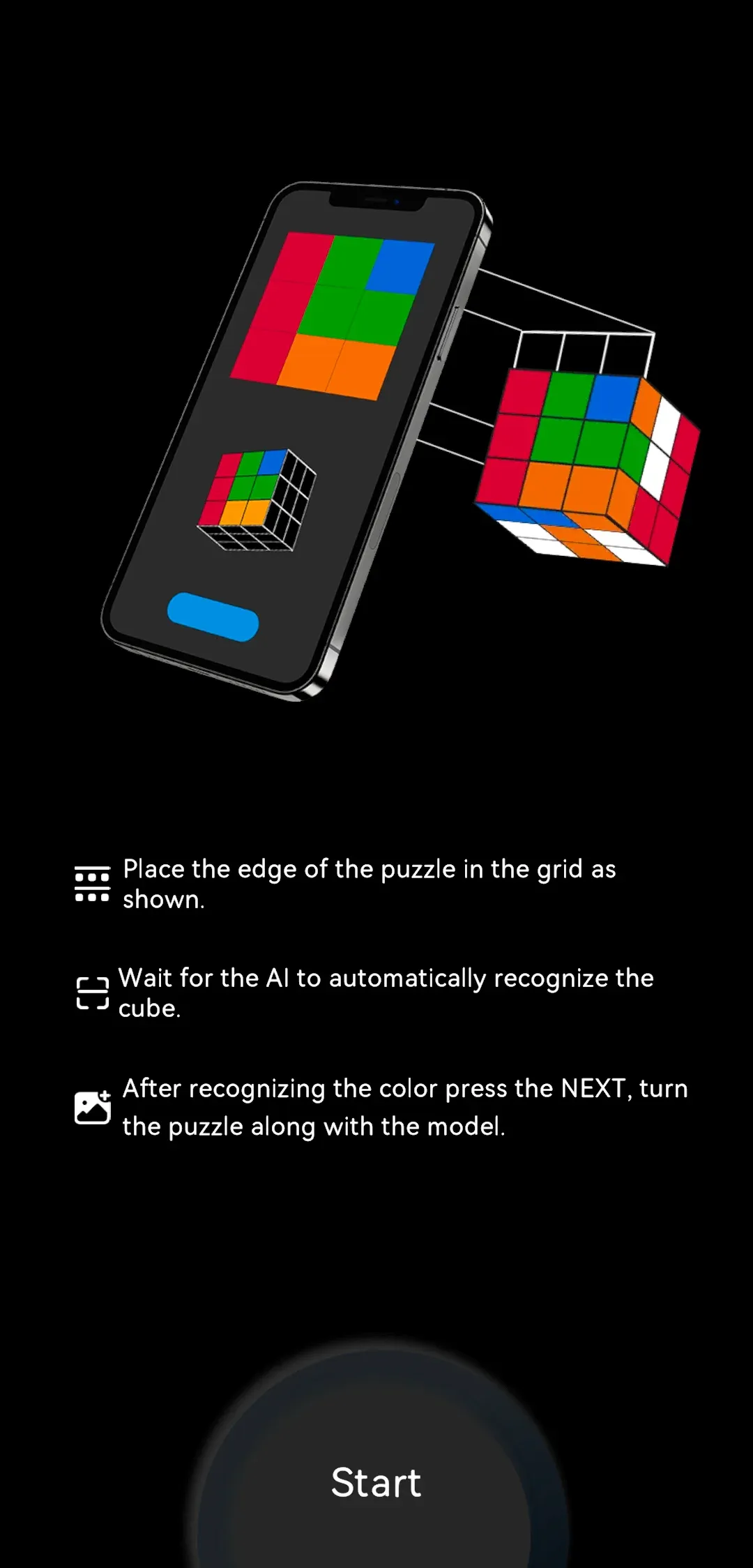
Bonus: If the Ivy Cube has sparked your interest in other puzzles such as the classic 3x3 Rubik's Cube, we have something you'll enjoy. Our AI CubeSolver app doesn't support the Ivy Cube, but it works perfectly with the traditional Rubik's Cube, such as 2x2, 3x3, and 4x4. Simply scan your scrambled cube and follow the step-by-step instructions even if it's your first time solving one.
Step 1. Understand the Petal Pieces
Each face has four petal-shaped pieces, and the goal is to return all of them to their matching colors. Since the centers are fixed, you'll always have a reference for each face's target color.
Step 2. Solve One Side
Start by solving one face completely. Unlike the Rubik's Cube, where solving a side may mess up others, the Ivy Cube allows you to build a full face without heavily disturbing the rest of the puzzle. This encourages intuitive experimentation.
Step 3. Match Adjacent Sides
Once one face is solved, work on getting the adjacent sides to match. Often, this is where a simple three-move algorithm (commonly referred to as the "Petal Flip") will help reposition the remaining leaf pieces without disturbing the face you've already completed.
Step 4. Final Adjustments
Use symmetrical turning to cycle petal pieces into place. There are typically no more than 8–12 moves required to reach a fully solved state once you've got the hang of how each turn manipulates the puzzle.
Why the Ivy Rubik's Cube is Perfect for Beginners
This is where the Ivy Cube stands out. If you're introducing someone to twisty puzzles or trying one yourself for the first time, there are several good reasons why the Ivy Cube makes an excellent starting point:
Visually Intuitive
Unlike many puzzles that rely on memorization, the Ivy Rubik's Cube rewards visual pattern recognition. It's easy to see what's out of place and make educated guesses on how to fix it.
Low Learning Curve
There's no need to memorize complicated algorithms. You can often solve the puzzle intuitively or by learning one or two simple sequences. It's ideal for kids, casual solvers, and those looking for a quick mental break without frustration.
Satisfying Movements
The smooth, curvy cuts make the Ivy Cube incredibly satisfying to turn. Many modern versions feature high-quality magnets and corner-cutting, making each twist feel deliberate and clean.
Portable & Beautiful
It's compact enough to carry anywhere and visually unique enough to stand out on a shelf or desk. The Ivy Rubik's Cube is as much a decorative item as it is a puzzle toy.
To Sum Up
In the wide and growing world of twisty puzzles, the Ivy Rubik's Cube stands out as a smart and welcoming introduction to spatial thinking and problem-solving. Its simple design, smooth movements, and unique look make it both approachable and enjoyable. Whether you're giving it as a gift or picking it up for a bit of relaxing brainwork, the Ivy Cube is a great choice.
Ivy Cube FAQ
Q: Is the Ivy Cube hard to solve?
The Ivy Cube is not hard to solve, especially compared to more complex puzzles like the Rubik's Cube. Its simple design and limited number of moving pieces make it easy to understand and rewarding to figure out. Many beginners find it a great starting point because it offers just enough challenge without being frustrating.
Q: What is an Ivy Cube?
It is a twisty puzzle with a leaf-like design that turns around its corners instead of its faces. It has 12 curved pieces that move in smooth, flowing motions, making it look elegant and fun to solve. Unlike more complex cubes, the Ivy Rubik's Cube is simple, easy to learn, and great for beginners or anyone looking for a relaxing puzzle.